Ingrediente
Senape
La storia
Mustard is a versatile condiment and culinary staple derived from the seeds of plants in the *Brassica* genus. Its historical origins trace back to ancient civilizations, including Egypt and Rome, where it served both as a flavoring agent and a medicinal component.
The preparation of mustard involves grinding mustard seeds—most commonly *Brassica nigra* or *Brassica juncea*—and mixing them with a liquid medium, such as vinegar, wine, or water. Common additives include salt, turmeric for pigmentation, and occasionally honey or various spices to balance the flavor profile.
A high-quality mustard is distinguished by the precise balance between its characteristic pungency and its acidity. The heat produced by mustard is volatile, meaning the intensity can be manipulated through the acidity of the liquid used during the mixing process. Texture is another critical factor, with premium versions ranging from ultra-smooth emulsions to rustic, coarse-grain preparations.
Regional variations are widespread across the globe. French cuisine is renowned for Dijon mustard, which is typically smooth, sharp, and sophisticated. English mustard is characterized by its intense, sinus-clearing heat and often coarser texture. In contrast, American yellow mustard is noted for its bright color and milder, sweeter profile, making it a staple for hot dogs and sandwiches. German variations often provide a sweeter, milder alternative, frequently paired with traditional sausages.
Sintetizzato dall'intelligenza artificiale a partire dalle recensioni di ogni creator.
In cucina con Senape
80 ricette dei creator usano questo ingrediente.
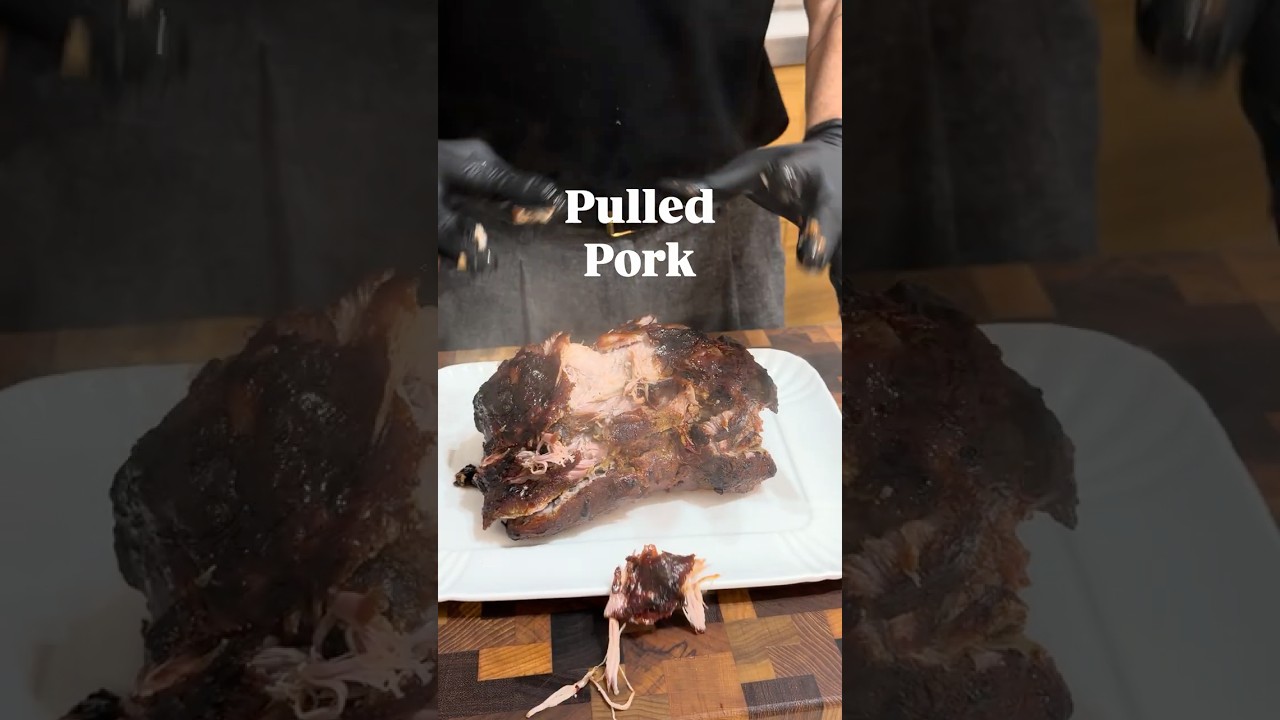
Pulled Pork Fatto in Casa
francesco aquila masterchef10200 min
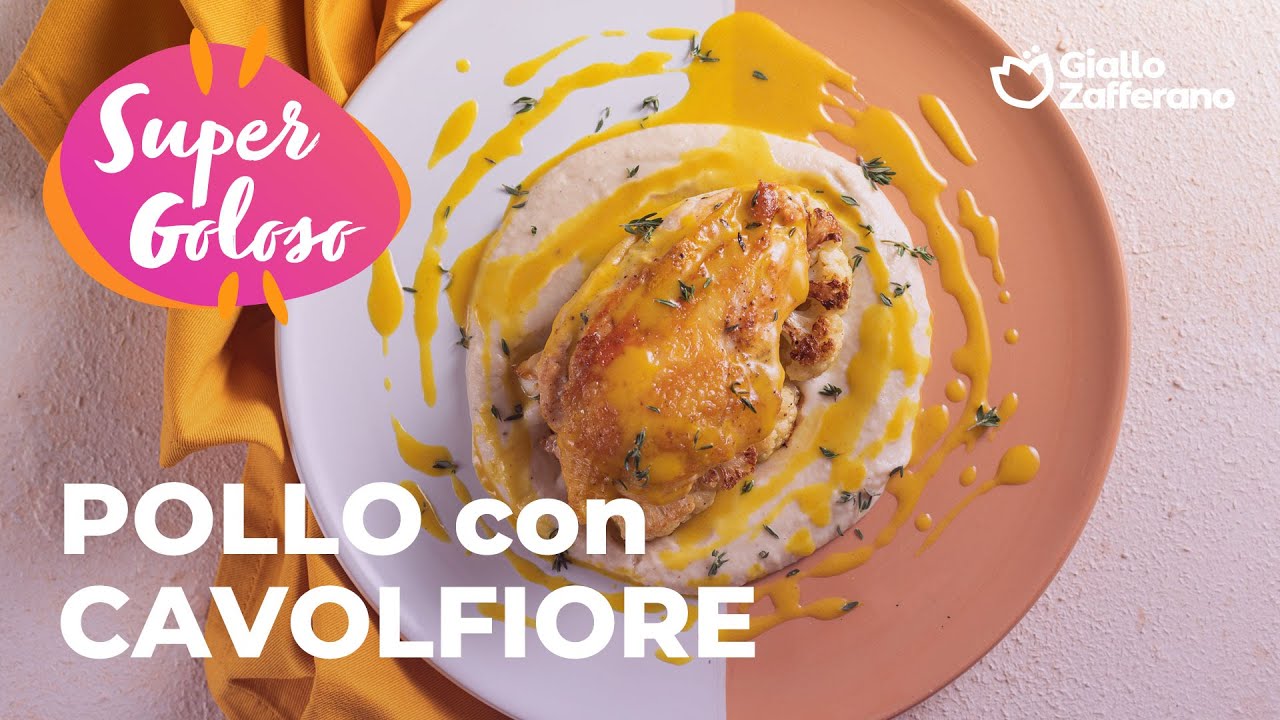
Pollo con Crema di Cavolfiore
Giallozafferano

Maiale, Crema al Kumquata, Friggitelli e Salsa ai Frutti Rossi
Gambero Rosso840 min

Big Mac fatto in casa
Chef in Camicia

Pulled Pork
Federico Fusca Chef420 min

Mega Hamburger
Chef Stefano Barbato
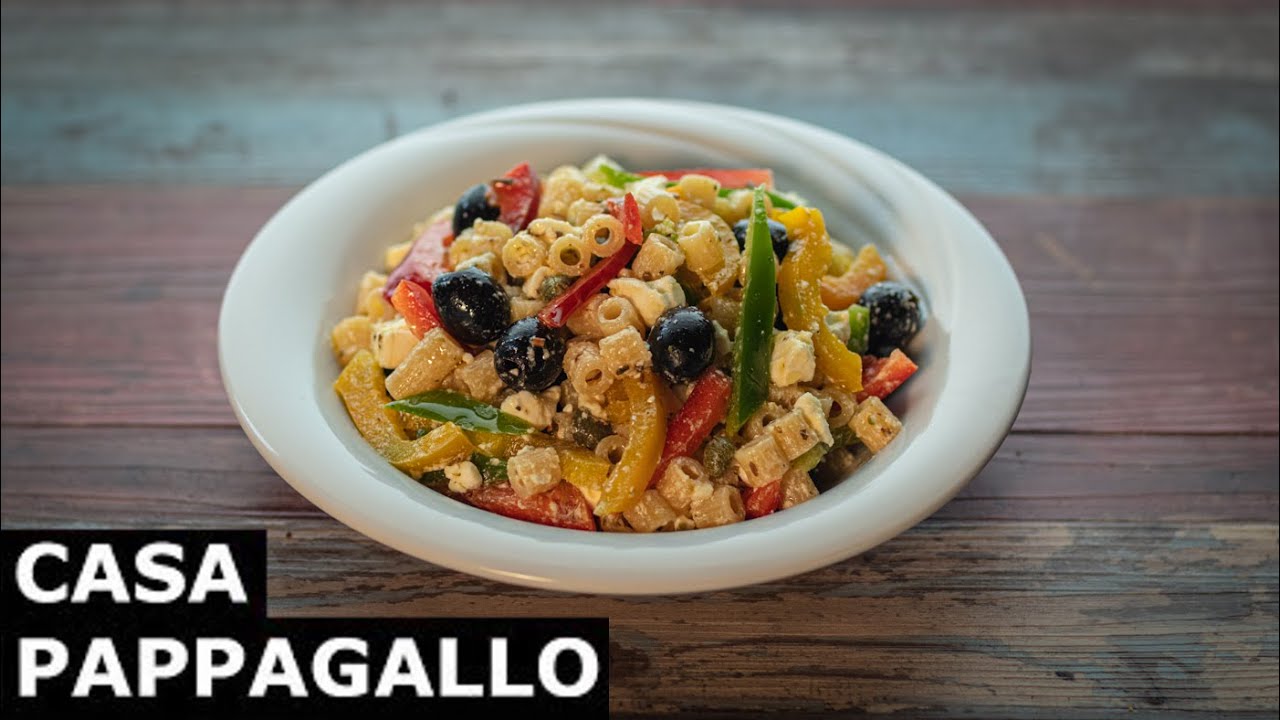
Insalata Fredda di Pasta con Peperoni e Feta
Casa Pappagallo

Hamburger con Carciofi
Cucina con Ruben
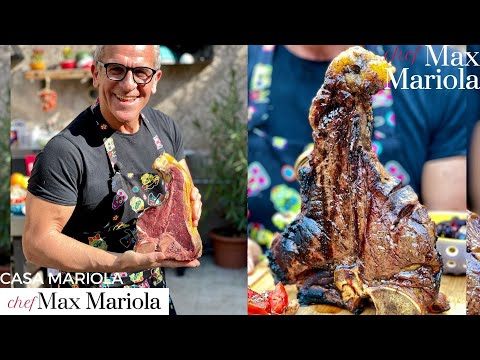
Bistecca Rubia Gallega
Chef Max Mariola

Polpo a bassa temperatura
Cucina con Simone480 min

Hamburger di Faraona
Bruno Barbieri Chef

Filetto al Pepe Verde
Marco Rufini

Filetto al Pepe Verde
Meschini Chef

Insalata Russa Primaverile
cookwithfez

Tartare di Manzo

Katsu Sando
Chef Andrea Larossa

Pulled Pork a modo nostro
Michele e Lorenzo 60 min

Costine BBQ
francesco aquila masterchef10180 min
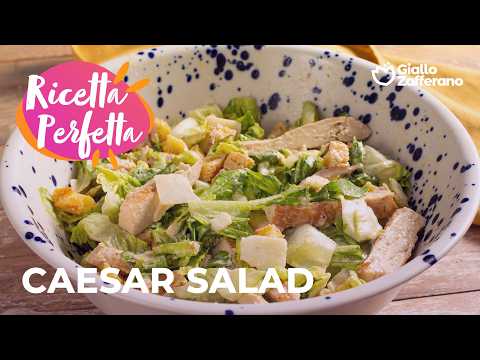
Caesar Salad con Pollo
Giallozafferano

Hamburger Triplo con Pancetta
Gambero Rosso
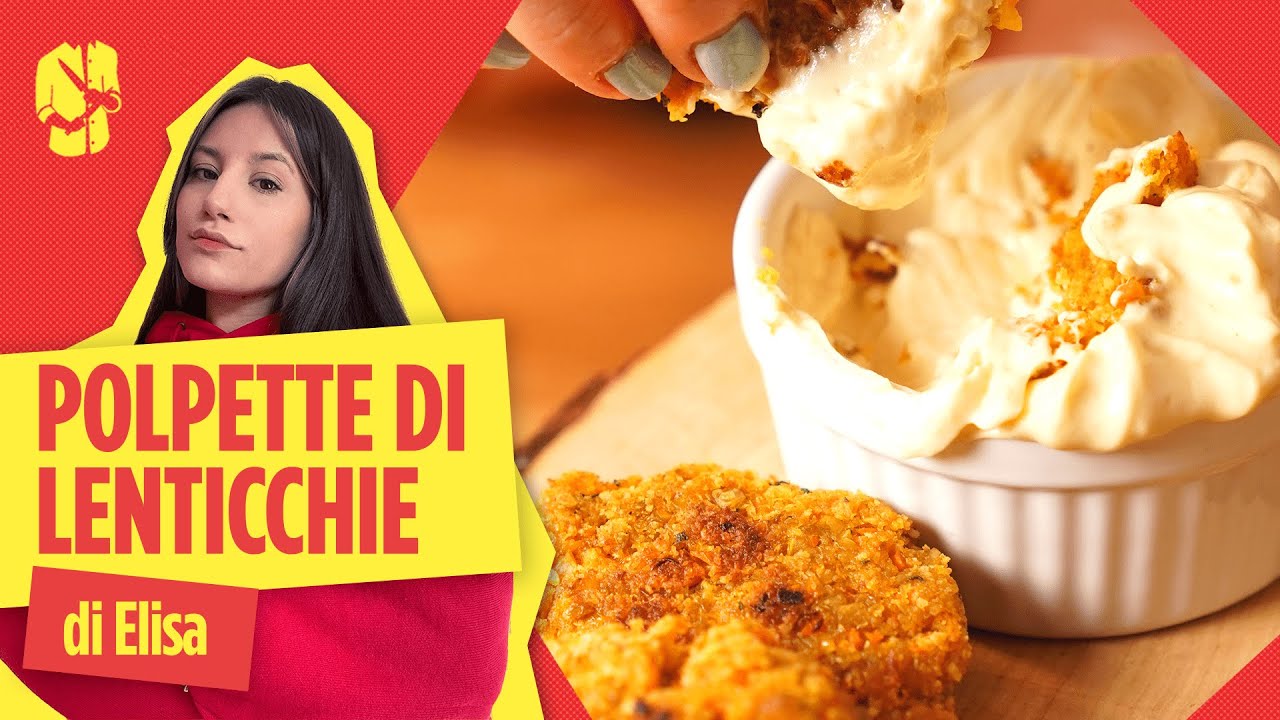
Polpette di Lenticchie
Chef in Camicia25 min

Pulled Pork
Federico Fusca Chef420 min
Ceviche di Gamberi con Chifles e Patacones (Platano)
Chef Stefano Barbato

Costine di maiale glassate
Casa Pappagallo
Spesso abbinato a
Gli ingredienti che compaiono al suo fianco nelle ricette dei creator.