Dish
Rosato Metodo Classico
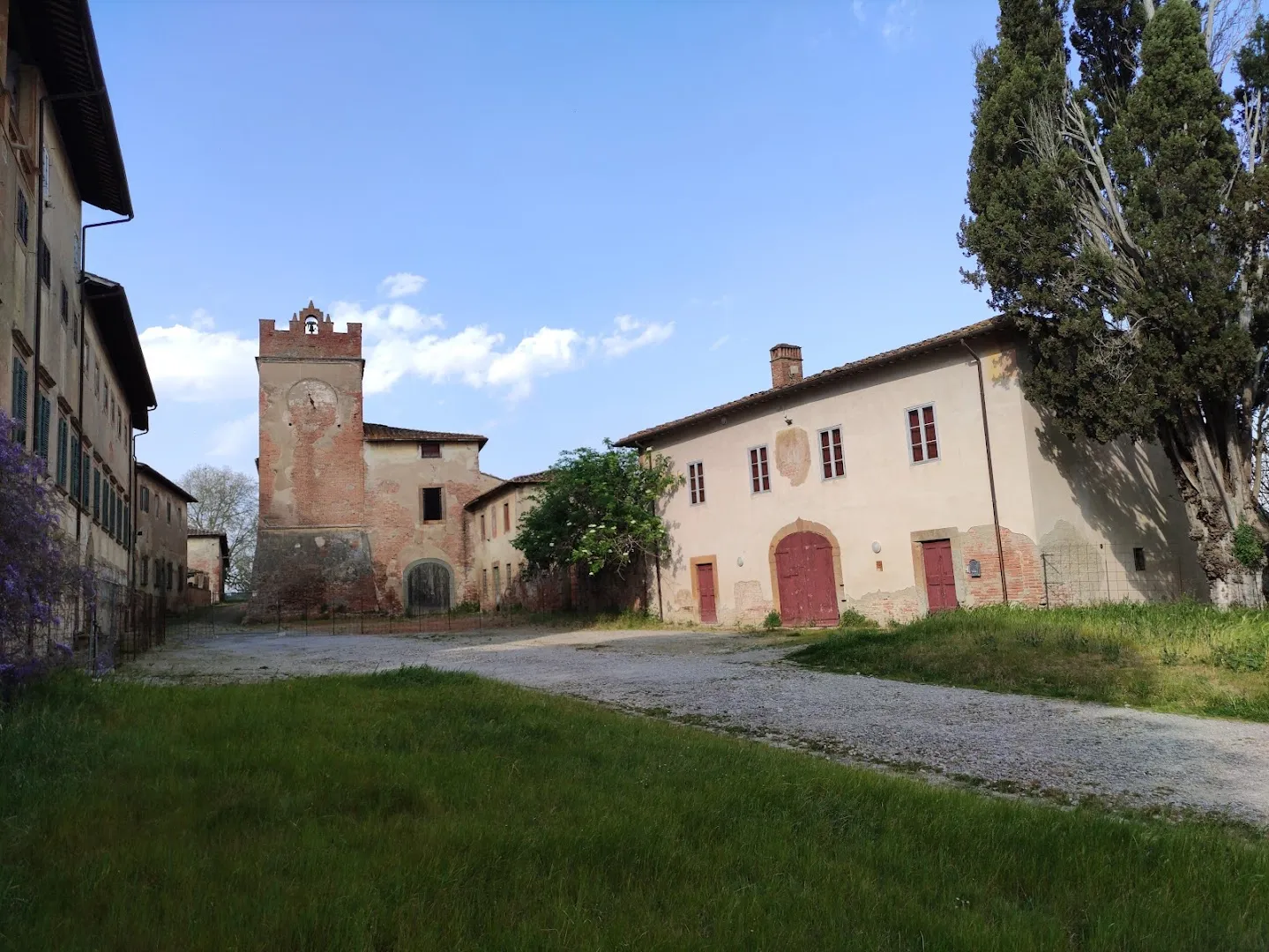
Photo from
Villa Saletta · Villa Saletta
The story
Rosato Metodo Classico is a sparkling rosé wine produced using the traditional secondary fermentation method first perfected in Champagne. While the style exists across Italy’s classic-method appellations, it gained particular attention at Villa Saletta in Tuscany, as noted by *Gambero Rosso*; the estate’s version exemplifies the wine’s core character. The key ingredients are red grapes—often Sangiovese in Tuscany, Pinot Nero in Franciacorta—whose brief skin contact imparts a pale salmon hue, blended with white grapes for structure and acidity. A great Rosato Metodo Classico is distinguished by a fine, persistent perlage, a delicate balance of red berry fruit and refreshing acidity, and a savory, yeasty complexity from extended lees aging—typically 24 months or more. Regional variations are pronounced: Franciacorta’s Rosato is built on Pinot Nero with at least 60% of the base wine, Trentodoc uses local varieties like Schiava and lagrein, while Oltrepò Pavese’s Metodo Classico Rosato is famous for its Bonarda-derived richness. Each territory imposes its own minimum aging requirements, shaping the wine’s final depth. Villa Saletta’s expression, though not a designated DOCG, reflects the Tuscan tradition of blending Sangiovese with small amounts of international varieties, producing a crisp, elegant interpretation that has drawn praise for its expressive fruit and finesse.
Synthesised by AI from every creator’s review.
Where to eat it
1 place reviewed by YouTube creators.
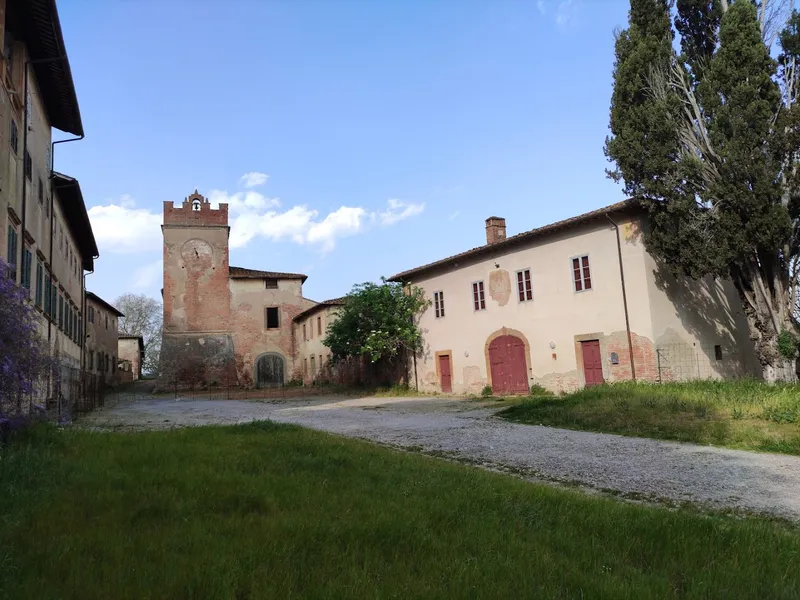
Villa Saletta (1)
What creators say
Highlights from 1 creator review of Rosato Metodo Classico.
Villa Saletta is a historic winery in Tuscany with origins dating back to the Etruscans. The estate has passed through noble families to the current English owners, Hands, who are restoring both the vineyards and the medieval borgo for hospitality. The wines reflect the ancient marine soils, giving them pronounced sapidity, and are crafted with methods that highlight the territory. The future includes an expanded wine tourism project.