Dish
Giulia
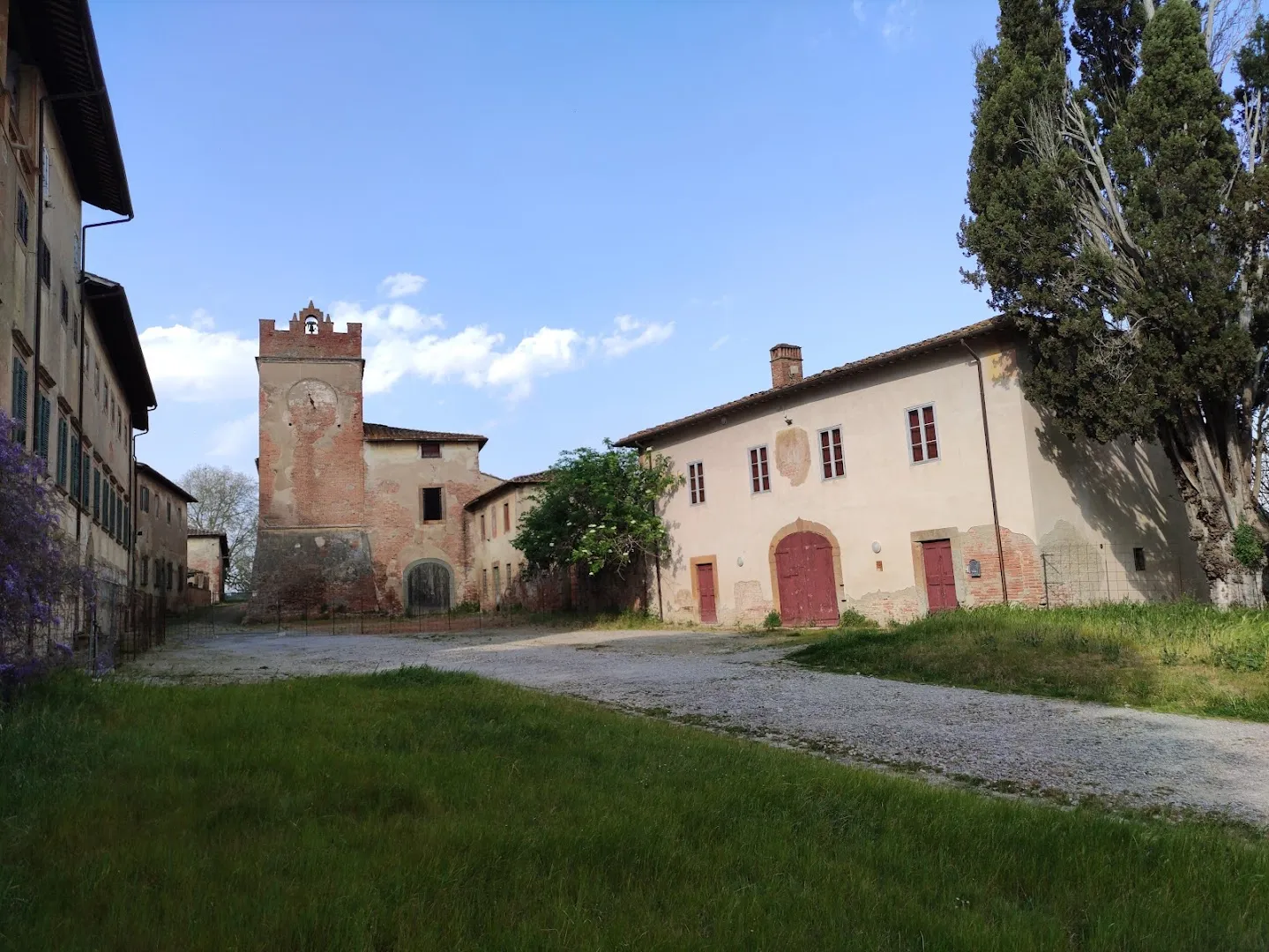
Photo from
Villa Saletta · Villa Saletta
The story
The dish known as Giulia is a refined pasta specialty that originates from the Tuscan countryside, particularly associated with the estate of Villa Saletta in the region of Villa Saletta, Italia. According to Gambero Rosso, this venue is renowned for its interpretation of Giulia, which has helped establish the dish as a modern classic in Italian casual fine dining. Key ingredients typically include handmade egg pasta, often in a ribbon or pappardelle form, paired with a rich sauce of browned butter, fresh sage, and aged Parmigiano-Reggiano. Some versions incorporate a filling of ricotta and spinach, similar to ravioli, or enhance the sauce with porcini mushrooms or white truffle shavings during the autumn season. What distinguishes a great Giulia is the texture of the pasta—silky and al dente—achieved through careful kneading and resting of the dough, along with a perfect emulsion of butter and cheese that clings to each strand without becoming greasy. The dish relies on high-quality, locally sourced dairy and fresh herbs, reflecting the agricultural traditions of the surrounding Saletta valley. Regional variations are minimal, but some cooks in nearby Lucca add a hint of nutmeg to the sauce, while coastal versions might substitute butter with a light tomato and basil condiment called sugo alla Giulia. The steady popularity of Giulia at Villa Saletta, as documented by Gambero Rosso, has inspired other Tuscan restaurants to offer their own takes, cementing the dish as a subtle but proud expression of the region’s pasta culture.
Synthesised by AI from every creator’s review.
Where to eat it
1 place reviewed by YouTube creators.
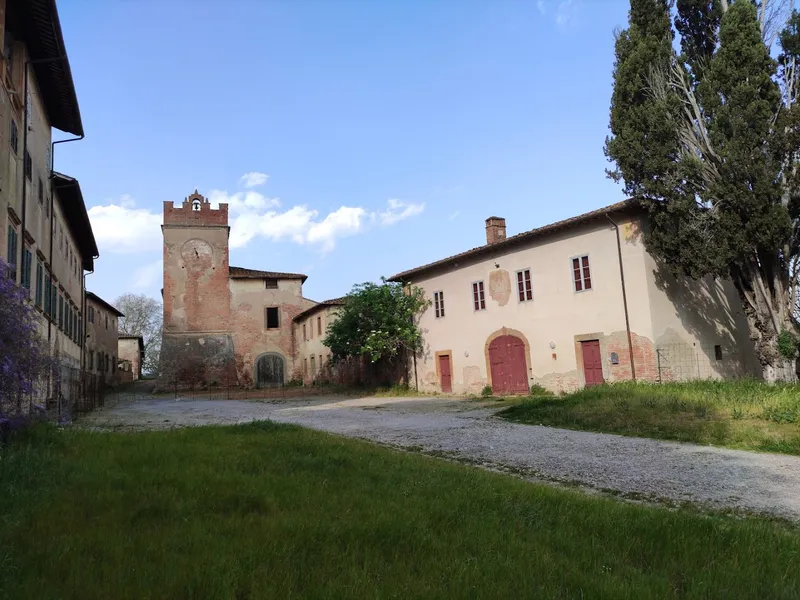
Villa Saletta (1)
What creators say
Highlights from 1 creator review of Giulia.
Villa Saletta is a historic winery in Tuscany with origins dating back to the Etruscans. The estate has passed through noble families to the current English owners, Hands, who are restoring both the vineyards and the medieval borgo for hospitality. The wines reflect the ancient marine soils, giving them pronounced sapidity, and are crafted with methods that highlight the territory. The future includes an expanded wine tourism project.