Dish
Blue Wine
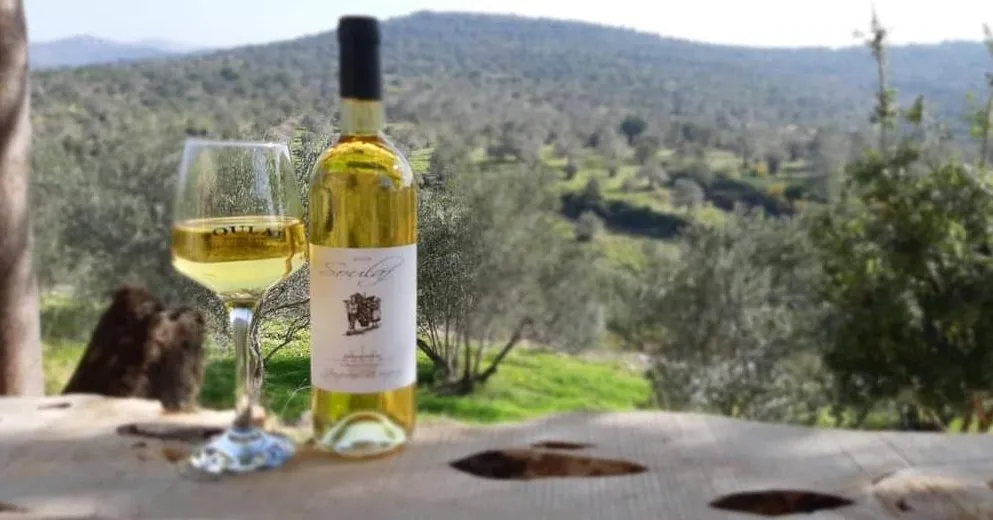
Photo from
Jour Winery · Bait
The story
Blue wine is a contemporary fermented beverage distinguished by its striking blue hue, achieved through the addition of natural colorants such as anthocyanins from grape skins or extracts like butterfly pea flower. Unlike traditional wines, its color does not occur naturally in grapes but is introduced during or after fermentation, usually using white grape bases to maintain clarity. The modern concept originated in the early 2010s with Spanish startup Gik, though variations have since appeared worldwide.
Key ingredients typically include white wine grapes—such as Macabeo or Sauvignon Blanc—combined with a natural blue pigment. Some producers also add sugar or fruit flavors to balance the wine’s often light, slightly sweet profile. A great version is defined by a vibrant but stable color, a clean aroma free of artificial off-notes, and a taste that complements rather than overpowers the grape character—ideally fresh, fruity, and low in tannins.
Regional variations reflect local grape availability and cultural preferences. In Europe, blue wines often lean dry and crisp; in Asia, sweeter, dessert-style blue wines are common. One notable example is produced by Jour Winery in Bait, Siria, which food vlogger Mark Wiens has highlighted for its unique expression of the style. While still niche, blue wine continues to intrigue adventurous drinkers and challenge conventional wine expectations.
Synthesised by AI from every creator’s review.
Where to eat it
1 place reviewed by YouTube creators.
Bait (1)
What creators say
Highlights from 1 creator review of Blue Wine.

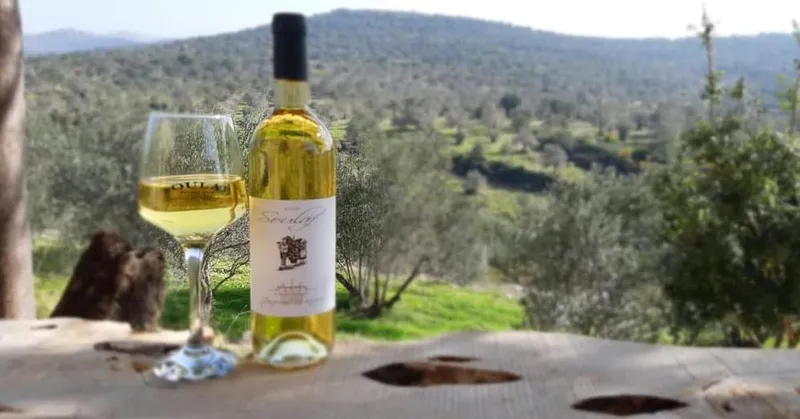
A local Syrian winery in a beautiful valley, producing blue wine, red wine, and arak, with a deep history of winemaking dating back thousands of years in the region.
Jour Winery · Baitloved