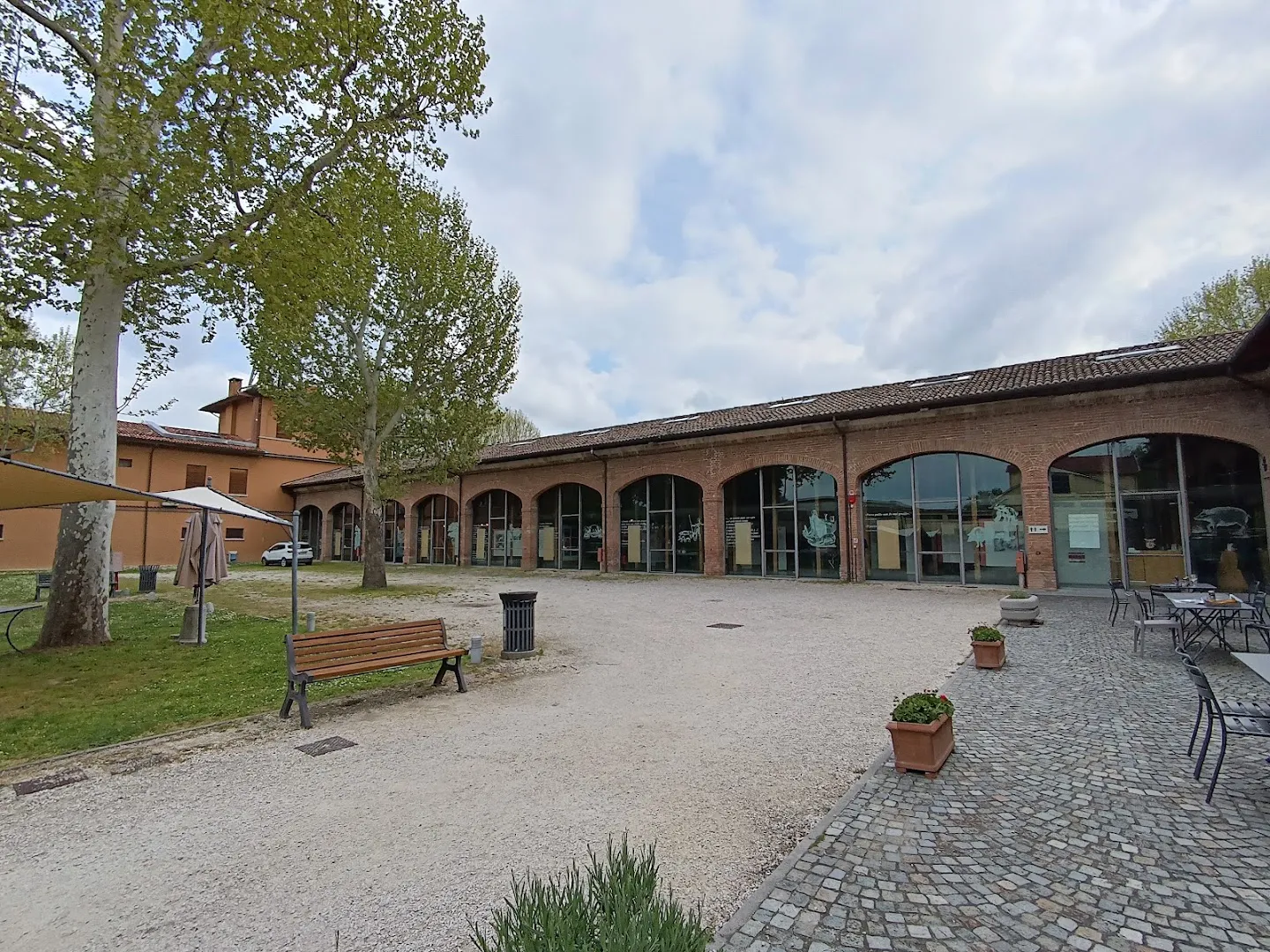
The story
Tucked into the hills of Langhirano, this working Parma ham factory doubles as a museum—a no-frills portal into one of Italy’s most revered cured meats. “This producer is one of only 145 certified Parma ham producers,” notes Insider Food, and the process is refreshingly direct: fresh pork legs are salted with sea salt and aged for an extended period, following methods that “date back to Roman times.”
The strict production zone—limited to the hills around Parma—creates the “unique climate” that Insider Food credits with giving Prosciutto di Parma its signature flavor. Watching the salting and aging up close, you understand why this protected designation is so fiercely guarded. It’s a quiet, educational stop for anyone serious about traditional Italian charcuterie.
Synthesised by AI from every creator’s review. First reviewed 2018.
Most-loved dishes
AI summary of what 1 dish mentions say about the food
At Langhirano Parma Ham Factory, the prosciutto di parma is the undisputed star, praised for its silky, melt-in-the-mouth richness. Reviewers celebrate the overall vibe as an authentic, immersive dive into the heart of Italian ham craftsmanship.
“The maker explains that Parma ham has been produced in this same area since Roman times, though it was called 'perex sub tuum' back then, meaning very dried and aged. The final product is a dry, aged ham. It's made by applying sea salt to the fresh leg, which both preserves the meat and draws out excess moisture. The method is largely unchanged, with only minor modern improvements in temperature and humidity control.”
What creators say
1 creator has covered Langhirano Parma Ham Factory. Most active: Insider Food
This producer in Langhirano is one of only 145 certified Parma ham producers. The ham is made by salting fresh legs with sea salt and aging them for an extended period, following traditional methods that date back to Roman times. The production zone is strictly limited to the hills around Parma, ensuring the unique climate that gives Parma ham its characteristic flavor.
Dishes mentioned
Prosciutto Di Parma
The maker explains that Parma ham has been produced in this same area since Roman times, though it was called 'perex sub tuum' back then, meaning very dried and aged. The final product is a dry, aged ham. It's made by applying sea salt to the fresh leg, which both preserves the meat and draws out excess moisture. The method is largely unchanged, with only minor modern improvements in temperature and humidity control.