Piatto
Yalanji (Stuffed Vine Leaves with Vegetables and Rice)

Foto da
Local Family Home (Latakia) · Latakia
La storia
**Yalanji (Stuffed Vine Leaves with Vegetables and Rice)**
Yalanji, also known as yalanji dolma or sarma, is a Levantine dish of vine leaves stuffed with a mixture of rice, vegetables, and herbs, then cooked in olive oil and lemon juice. Unlike its meat-filled counterpart, yalanji is a vegan or vegetarian preparation, making it a staple of Mezze spreads across the Eastern Mediterranean.
The dish’s origin traces back to the Ottoman Empire, where the technique of stuffing vegetables (dolma) and wrapping leaves (sarma) became deeply embedded in regional cuisines. The name "yalanji" derives from the Turkish *yalancı*, meaning "liar" or "fake," referring to the absence of meat. Key ingredients include tender grape leaves (often brined), short-grain rice, tomatoes, onions, parsley, mint, and allspice. A generous amount of olive oil and a tangy lemon broth are essential for cooking.
A great version is distinguished by its balance of bright acidity and herbal freshness. The leaves should be tender but not mushy, and the filling moist and flavorful. In Latakia, Syria, a local family home featured by Mark Wiens prepares yalanji with a pronounced lemony tang and a silky texture, achieved by slow-cooking the rolls in a heavy pot. Regional variations abound: in Turkey, the filling may include currants and pine nuts; in Lebanon, it is often served with a side of yogurt; and in parts of Syria, the rice mixture is sometimes enriched with chopped tomatoes and a pinch of cinnamon. The dish is typically served at room temperature, allowing the flavors to meld.
Sintetizzato dall'intelligenza artificiale a partire dalle recensioni di ogni creator.
Dove mangiarlo
1 posto recensito da creator di contenuti su YouTube.

Cosa dicono i creator
Il meglio da 1 recensione di un creator su Yalanji (Stuffed Vine Leaves with Vegetables and Rice).
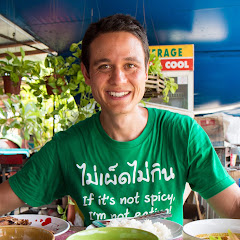
Una casa familiare incredibile a Latakia che serve autentiche specialità regionali con calore e ospitalità, con piatti a base di bulgur e ingredienti locali freschi.