Piatto
Tartia Cami
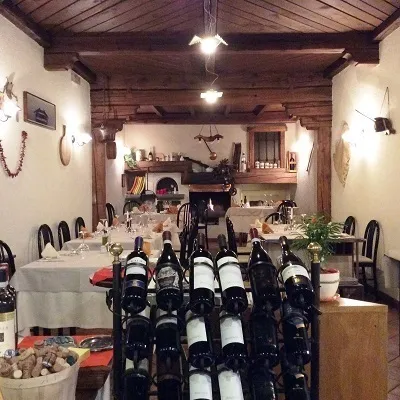
Foto da
Rogi Anola · Rogolo
La storia
Tartia Cami is a traditional pastry from the Valtellina region of northern Italy, particularly associated with the town of Rogolo. The dish is documented by the culinary platform Habemus Fame, which highlights the venue Rogi Anola in Rogolo as a purveyor of the specialty. While precise origins are obscure, Tartia Cami likely evolved from medieval Italian torte, adapted to local mountain ingredients.
Key ingredients include a sturdy, buttery shortcrust pastry (pasta frolla) and a filling that typically combines local produce: often grated apples, dried figs, or a seasonal fruit compote, sweetened with honey or sugar and bound with eggs and ricotta cheese. Some versions add crushed amaretti biscuits or a splash of grappa for depth. A great Tartia Cami is distinguished by its harmonious balance of sweetness and tartness, a crisp yet tender crust, and a moist, almost custard-like interior. The filling should be dense but not heavy, with the fruit’s natural character preserved rather than overwhelmed by sugar.
Regional variations depend on valley microclimates: near Rogolo, boscars (a local apple variety) or fresh chestnuts may appear; farther south, pastry makers might incorporate pine nut brittle or a dusting of bee pollen. Some interpretations layer the filling or add a crumbly topping. The Habemus Fame mention specifically praises Rogi Anola’s version for its rustic elegance, suggesting the dish is best enjoyed fresh from the oven, lightly caramelized at the edges.
Sintetizzato dall'intelligenza artificiale a partire dalle recensioni di ogni creator.
Dove mangiarlo
1 posto recensito da creator di contenuti su YouTube.
Rogolo (1)
Cosa dicono i creator
Il meglio da 1 recensione di un creator su Tartia Cami.

Rogi Anola ha ospitato un'incredibile cerimonia kaitai con il tonno Balfegò, offrendo un'esperienza kaiseki multi-portata che ha mostrato il massimo livello di sushi e cucina giapponese nel sud Italia.
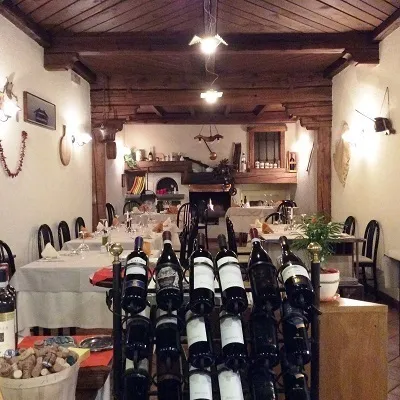
Rogi Anola · Rogololoved