Piatto
Sticky Rice
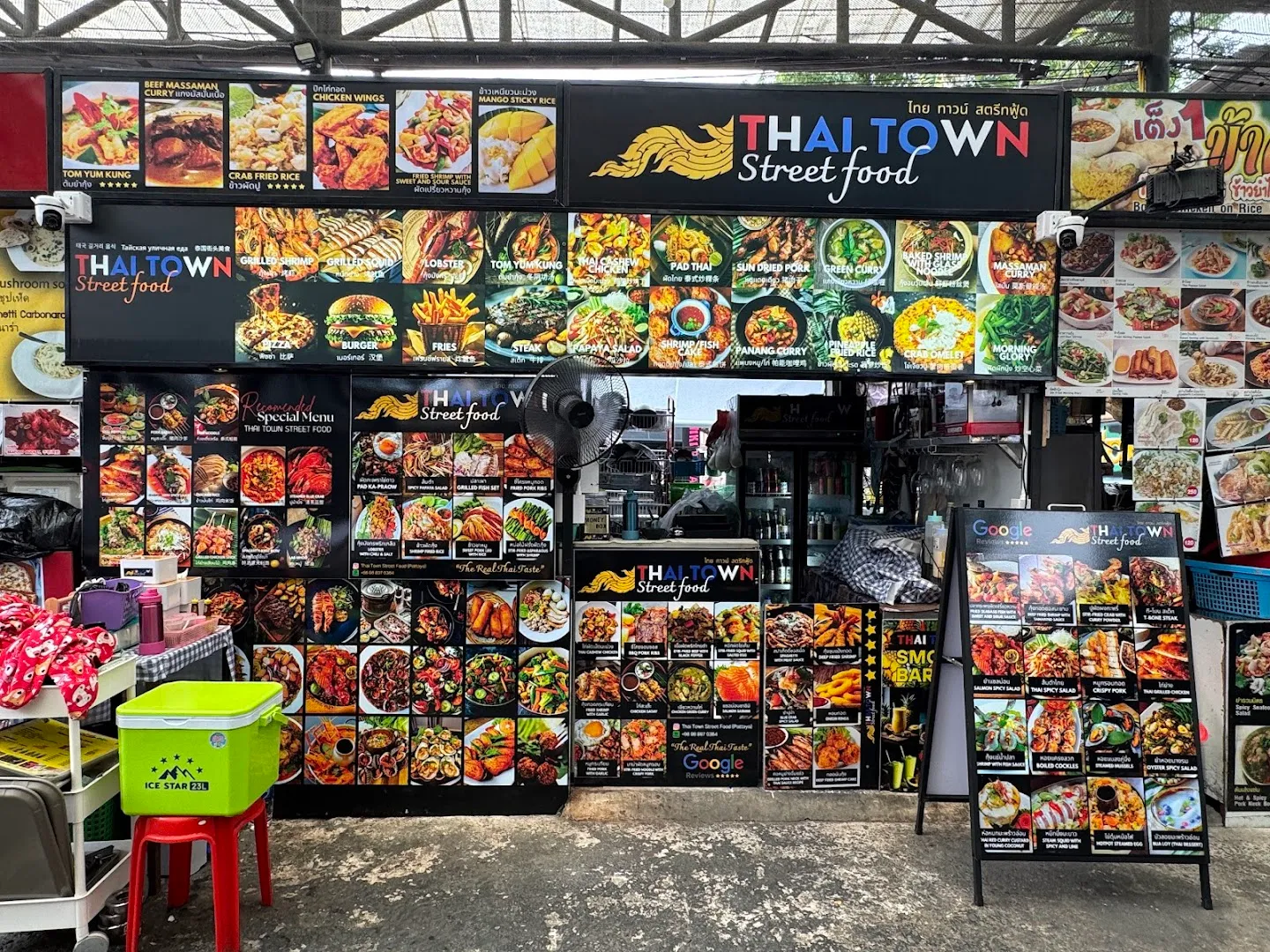
Foto da
Pattaya Street Food · Nong Prue
La storia
Sticky rice, also known as glutinous rice, is a staple grain in Southeast Asian cuisines, particularly in Laos, Thailand, and the northeastern Isan region. Its origins trace back thousands of years to the mountainous areas of mainland Southeast Asia, where it was domesticated and became central to daily meals and ceremonial offerings. Unlike regular rice, sticky rice contains only amylopectin starch, giving it a characteristic glue-like texture when cooked.
Key ingredients are simple: the glutinous rice variety, water, and sometimes a pinch of salt. The traditional cooking method involves soaking the rice for several hours, then steaming it in a conical bamboo basket. A great version achieves a tender, chewy bite without being mushy; each grain clings together yet remains distinct. Proper steaming and precise soak time are crucial—overcooking leads to a paste, while undercooking leaves a hard core.
Regional variations abound. In Laos and northeastern Thailand, sticky rice is often served with spicy papaya salad or grilled meats, and eaten by hand. In northern Thailand, it accompanies dishes like *khao soi* or sai oua. In Nong Prue, Thailandia, Pattaya Street Food offers an authentic rendition, praised by creator BANKII for its perfect texture and pairing with local grilled skewers. In Vietnam, sticky rice (xôi) is sweetened with coconut or topped with mung beans for breakfast. In Chinese dim sum, it is used in zongzi or as a filling in sticky rice dumplings. Each culture’s version is defined by its accompaniments, but the core quality remains the rice’s gentle stickiness and resilient chew.
Sintetizzato dall'intelligenza artificiale a partire dalle recensioni di ogni creator.
Dove mangiarlo
1 posto recensito da creator di contenuti su YouTube.
Nong Prue (1)
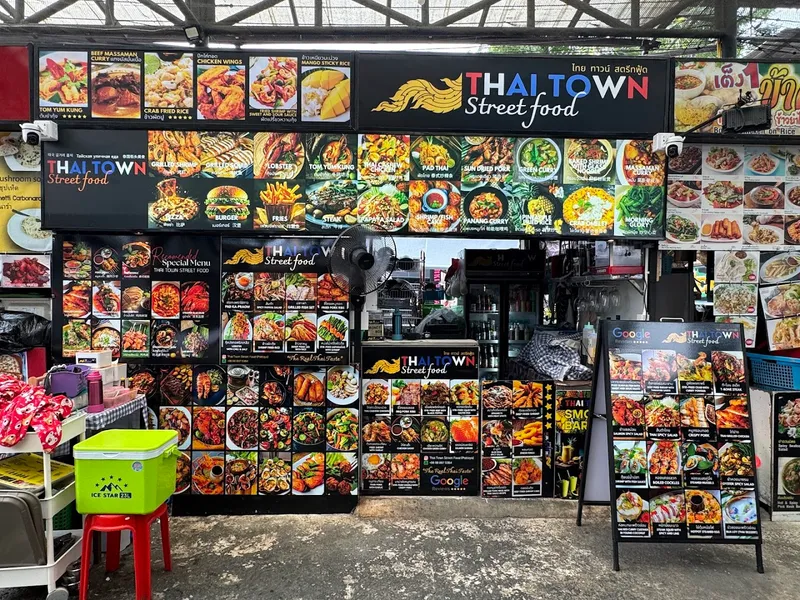
Cosa dicono i creator
Il meglio da 1 recensione di un creator su Sticky Rice.

Un ottimo posto di street food a Pattaya dove puoi mangiare una varietà di piatti per soli 50 baht.