Piatto
Sate Udder
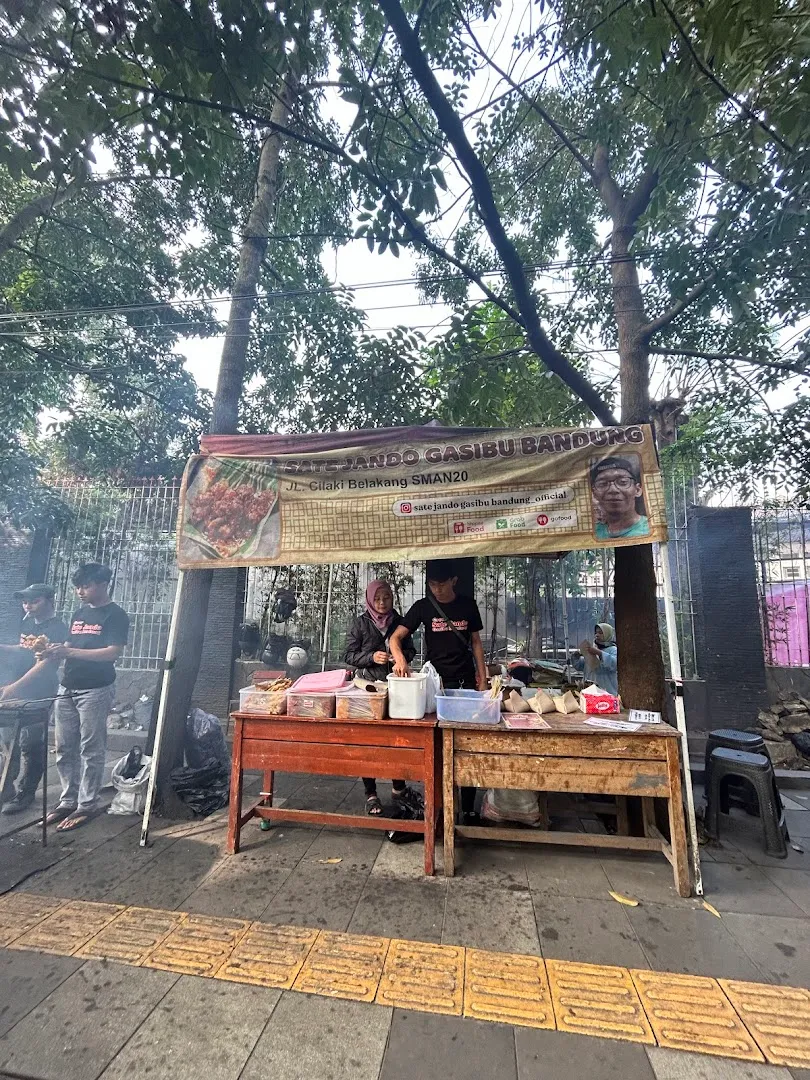
Foto da
Sate · Kecamatan Bandung Wetan
La storia
Sate Udder, known locally as *sate ambing*, is a traditional Indonesian satay originating from West Java, particularly the Bandung region. Unlike the more common chicken or beef satay, this dish is distinguished by its primary ingredient: cow's udder. The use of this offal cut is a testament to the Indonesian culinary philosophy of *zero waste*, transforming a less-prized cut into a delicacy.
The udder is first boiled with spices to tenderize it and reduce its gamey flavor, then sliced into small, flat pieces. These pieces are marinated in a sweet soy sauce (*kecap manis*) and spice paste, typically containing shallots, garlic, coriander, and galangal, before being skewered and grilled over charcoal. A great version of Sate Udder is defined by its texture: the exterior should be slightly charred and caramelized from the sweet marinade, while the interior remains tender and succulent, not tough or chewy. The flavor is rich, savory, and subtly sweet, with a unique, creamy richness from the fat content of the udder.
While the preparation is standard across West Java, regional variations exist in the accompanying sauce. In Bandung, it is often served with a simple *sambal kecap* (sliced chilies and shallots in sweet soy sauce) and rice cakes (*lontong*). Traveler and food content creator Luke Martin, who featured the dish at the venue **Sate** in Kecamatan Bandung Wetan, noted the specific, bold flavor profile that distinguishes this satay from its more common counterparts. The dish remains a specialty of Sundanese cuisine, celebrated for its bold flavors and resourceful use of ingredients.
Sintetizzato dall'intelligenza artificiale a partire dalle recensioni di ogni creator.
Dove mangiarlo
1 posto recensito da creator di contenuti su YouTube.
Kecamatan Bandung Wetan (1)
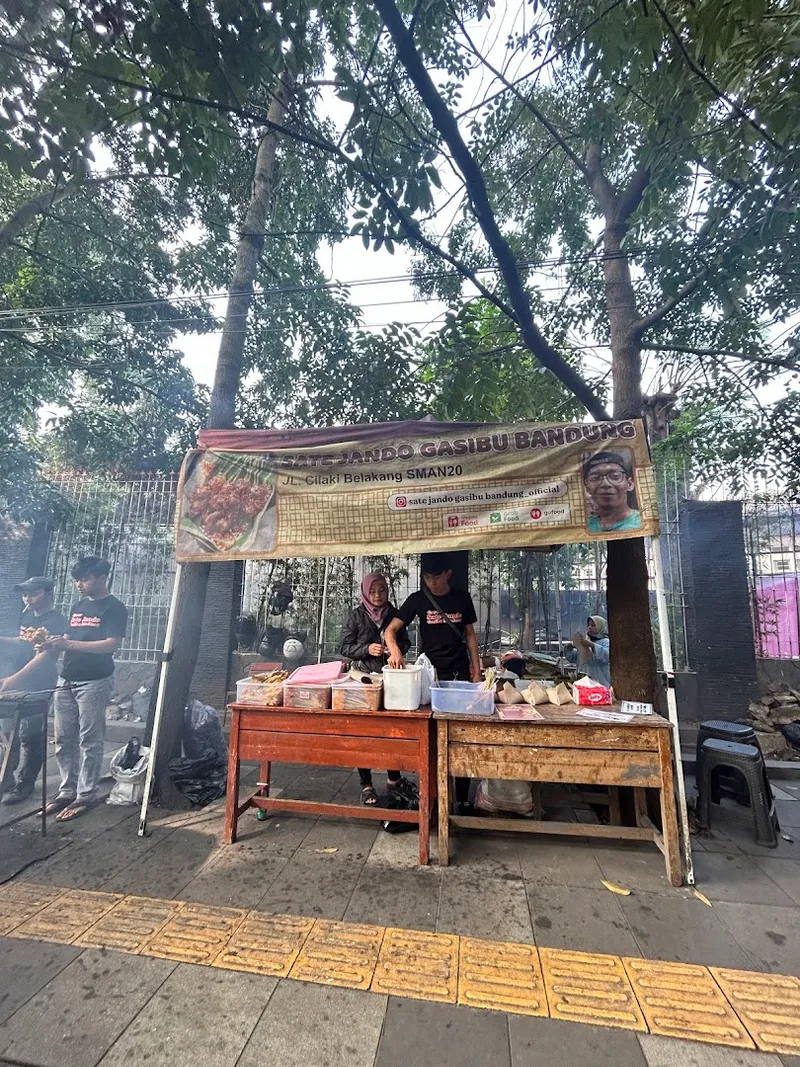
Cosa dicono i creator
Il meglio da 1 recensione di un creator su Sate Udder.
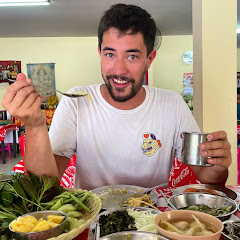
Un chiosco di street food a Bandung che serve sate incredibilmente saporito e ricco di salsa, inclusi tagli unici come la mammella di mucca.