Piatto
Salame
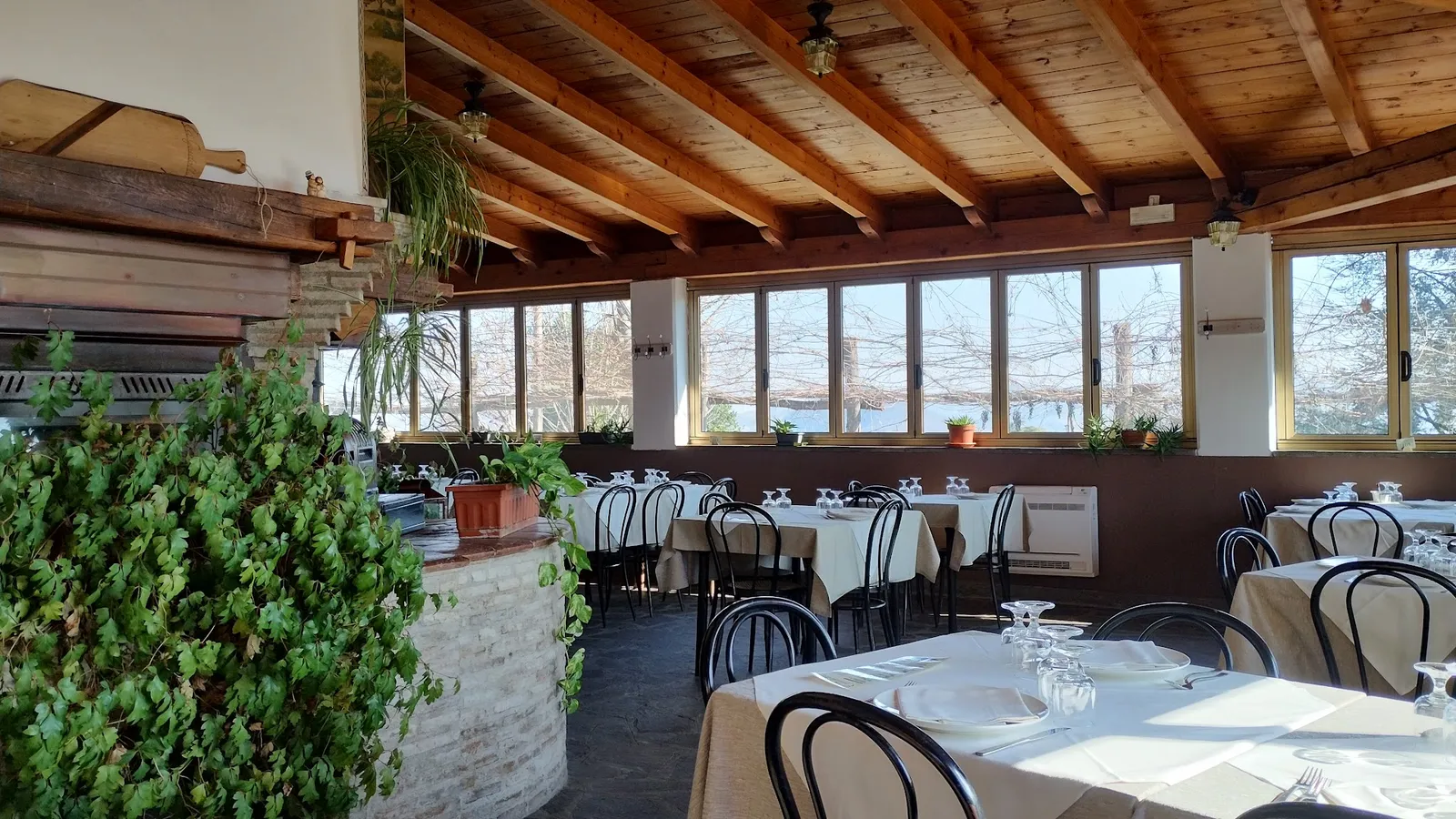
Foto da
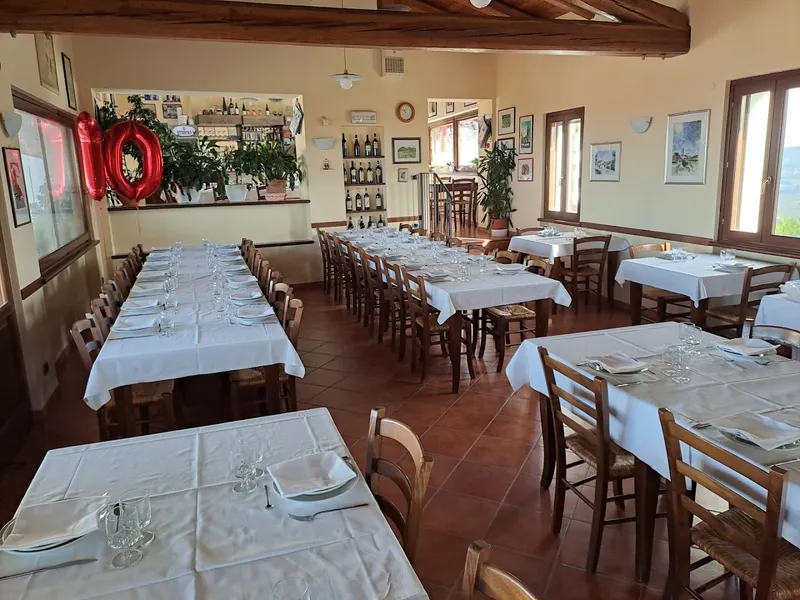
Agriturismo Ca' Guido · Luminasio
La storia
# Salame
Salame is a cured meat product with deep roots in Italian culinary tradition, particularly in the regions of northern Italy. The dish represents centuries of preservation techniques developed before refrigeration, transforming simple pork into a shelf-stable delicacy through careful fermentation and aging.
## Origin and History
Salame originated in Italy, with evidence of cured meat production dating back to Roman times. However, the modern salame as known today developed primarily in the Piedmont and Lombardy regions during the Middle Ages, where the combination of suitable climate, abundant pork production, and regional spice trade routes created ideal conditions for its development.
## Key Ingredients and Preparation
Traditional salame is made from ground pork, salt, garlic, and various spices including black pepper, wine, and sometimes fennel or other regional aromatics. The mixture is stuffed into natural casings and hung to cure and ferment over weeks or months. This process develops the characteristic tangy flavor and firm texture that distinguishes quality salame.
## Regional Variations
Italy boasts numerous regional salame styles. Salame Milanese features finely ground meat and white peppercorns, while Salame Napoletano incorporates larger fat pieces and chili peppers. Salame d'Asti, produced in Piedmont, is known for its delicate flavor profile and careful aging process.
## Notable Producers
Osteria da Gemma in Roddino, Italy, represents the traditional approach to salame appreciation, serving authentic preparations that honor regional heritage and craftsmanship.
Sintetizzato dall'intelligenza artificiale a partire dalle recensioni di ogni creator.
Dove mangiarlo
4 posti recensiti dai creator di YouTube.
Cosa dicono i creator
Il meglio da 4 recensioni dei creator su Salame.


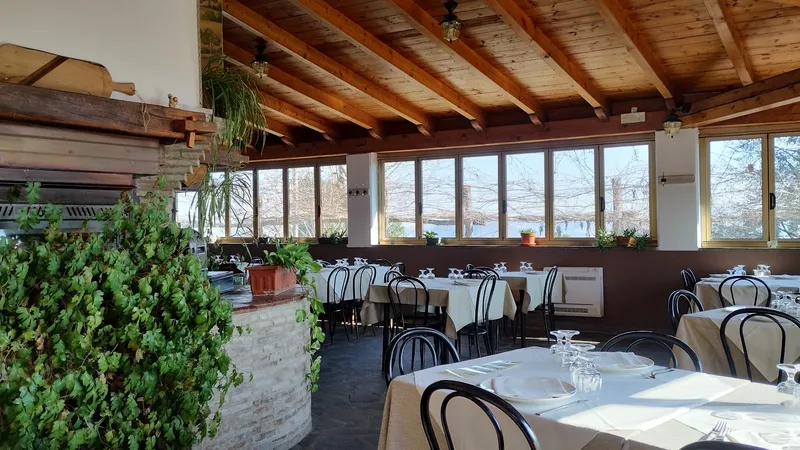
Una trattoria storica trasformata in agriturismo sull'Appennino bolognese, famosa per il maiale Mora Romagnola e la pasta all'ortica fatta in casa — tutto era buono, specialmente i tortellini verdi alla panna e le crescentine.
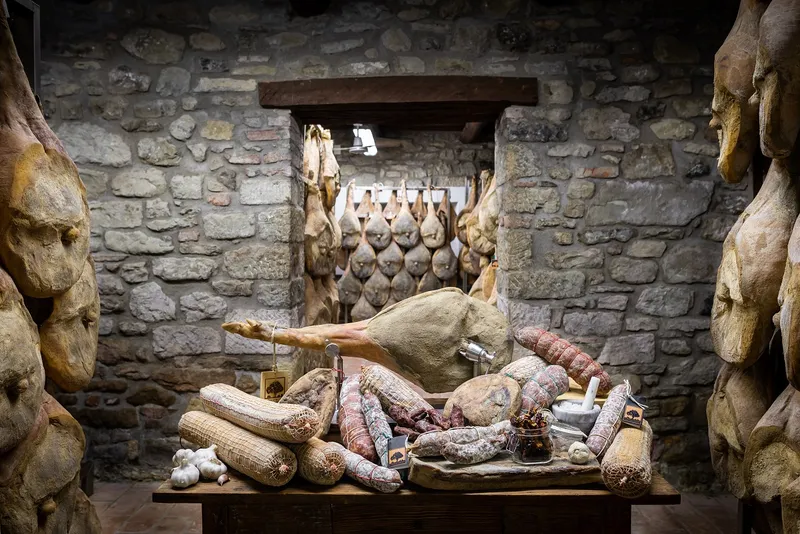
Un produttore incredibile di Prosciutto del Casentino e altri salumi del maiale Grigio del Casentino, presidio Slow Food. Tutto naturale, senza conservanti, e assolutamente buonissimo — abbiamo comprato un sacco di roba.
Una classica trattoria piemontese con menù fisso, servizio molto cordiale e una bellissima vista dalla terrazza, ma l'hype la rende quasi impossibile da prenotare — il cibo è buono e onesto, non strepitoso, e il prezzo è giusto.
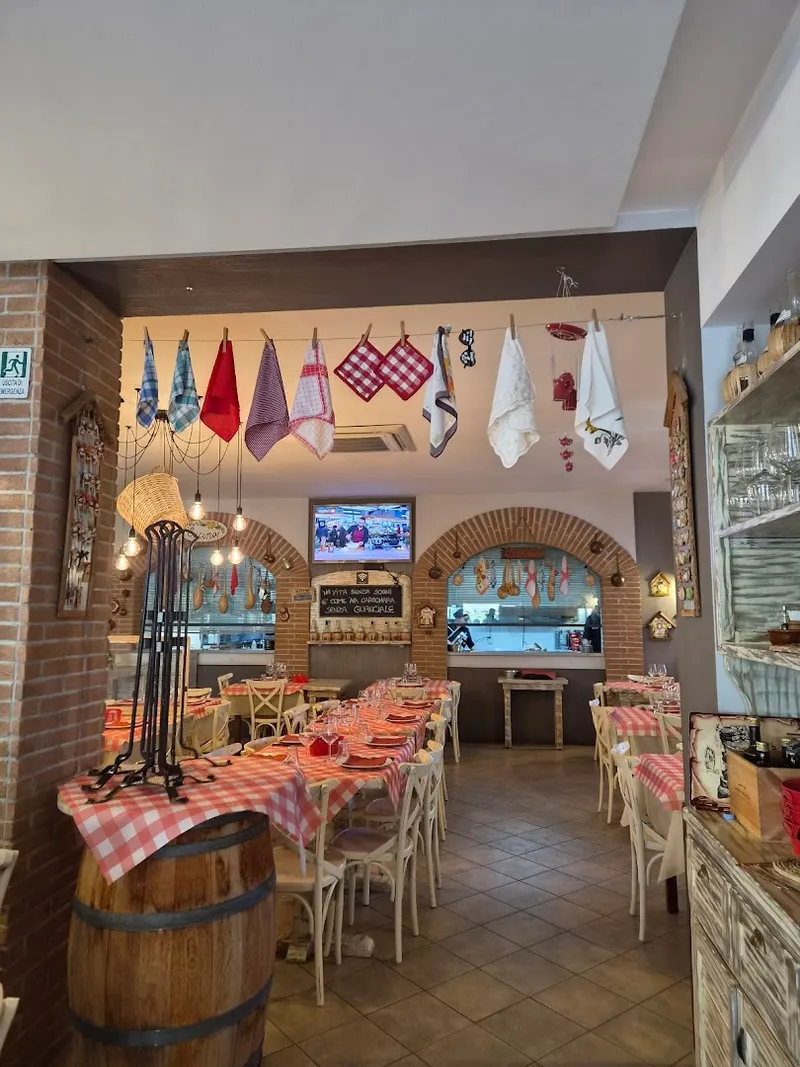
Una fraschetteria romana all you can eat decente fuori Roma — non incredibile, non terribile, buona per sfondarsi con gli amici ma non per cucina romana autentica.