Piatto
Mutton Biryani

Foto da
Hanumanthu Biryani · Mysuru
La storia
Mutton Biryani is a fragrant, layered rice dish that originated in the Indian subcontinent, blending tender marinated goat meat with spiced basmati rice. The dish is believed to have evolved from Persian pilaf influences, brought to India by Mughal rulers, and later adapted into regional styles. Key ingredients include long-grain basmati rice, yogurt, fried onions, saffron or turmeric, and a complex spice mix typically featuring cloves, cardamom, cinnamon, and bay leaves. The mutton is often marinated in yogurt and spices for hours to ensure deep flavor and tenderness.
A great version of Mutton Biryani is distinguished by perfectly separate, non-mushy grains of rice, meat that falls off the bone, and a balanced layering of flavors where no single spice overpowers. The dum cooking method, where the pot is sealed with dough and slow-cooked over low heat, is essential for infusing the rice with the meat’s essence. In Mysuru, India, **Hanumanthu Biryani** is celebrated for its robust, traditional preparation. As noted by food traveler **Mark Wiens**, the venue serves a version where the mutton is exceptionally tender and the rice is aromatic, reflecting the city’s distinct style that emphasizes a slightly drier texture and a pronounced masala coating on the meat.
Regional variations abound: Hyderabadi biryani uses more saffron and is often spicier, while Kolkata biryani includes potatoes and a milder spice profile. In Lucknow, the Awadhi style is more subtle, with a focus on the fragrance of the meat and rice. Across all versions, the quality of the mutton and the patience in layering remain the hallmarks of an exceptional biryani.
Sintetizzato dall'intelligenza artificiale a partire dalle recensioni di ogni creator.
Dove mangiarlo
1 posto recensito da creator di contenuti su YouTube.
Mysuru (1)

Cosa dicono i creator
Il meglio da 1 recensione di un creator su Mutton Biryani.
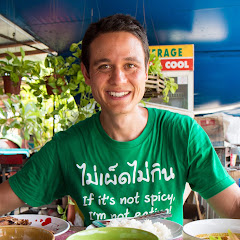
Un leggendario posto per il biryani dal 1930 — fanno 300 kg di biryani al giorno usando metodi tradizionali con agnello fresco e la tecnica di cottura dum.