Piatto
Kimoto-style Sake
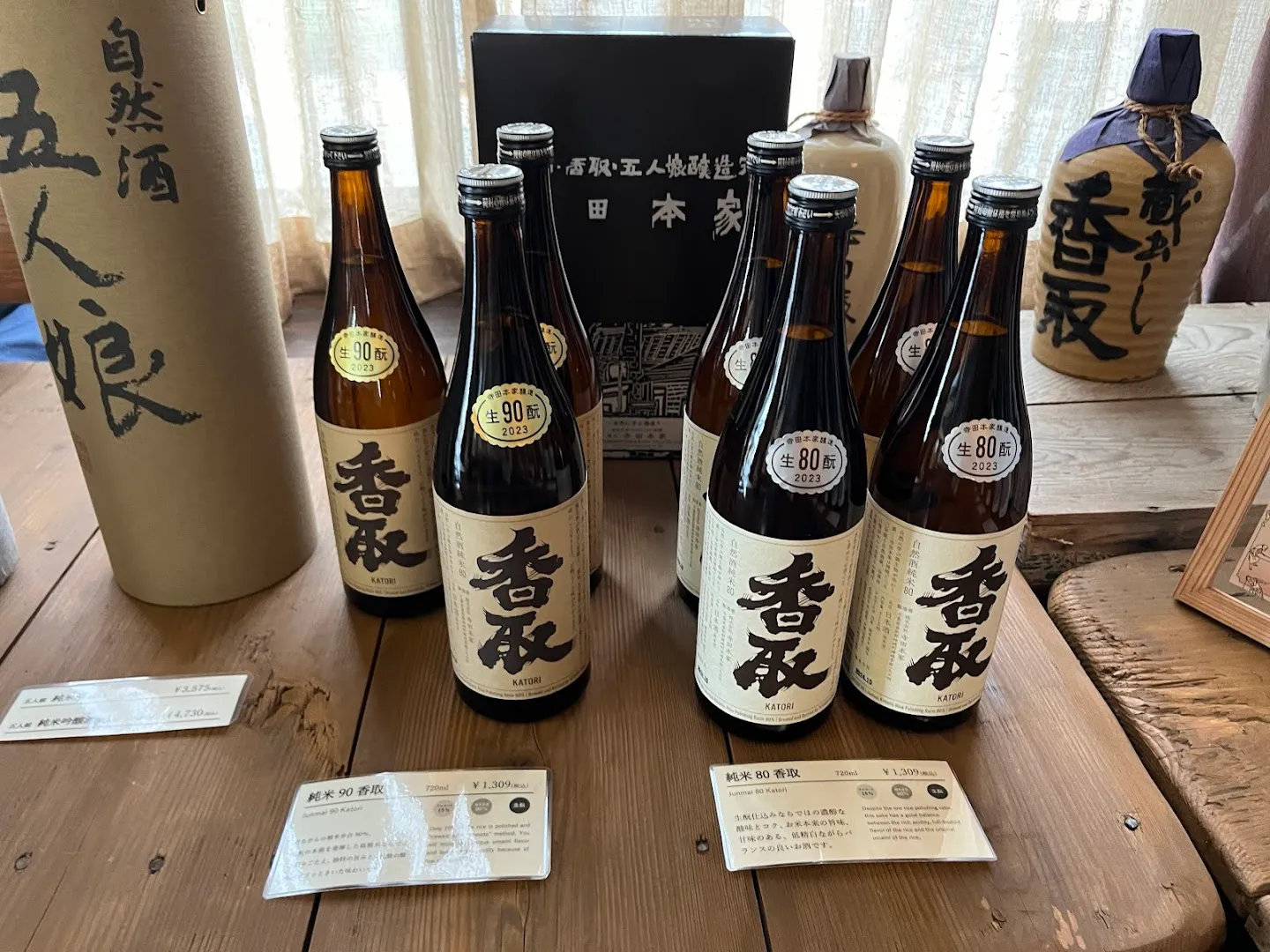
Foto da
Terada Honke · Kozaki
La storia
Kimoto-style sake is a traditional method of sake brewing that predates the modern addition of lactic acid. Originating in Japan, the kimoto (生酛) technique involves a labor-intensive process where brewers manually mash rice, koji, and water into a paste called *yamahai* (or *kimoto* proper) to encourage the natural growth of lactic acid bacteria. This natural fermentation creates a robust environment that suppresses unwanted microbes, allowing yeast to thrive. The result is a sake with pronounced umami, higher acidity, and a complex, earthy character often described as "wild" or "rustic."
A great kimoto-style sake is distinguished by its depth and balance. The natural lactic acid fermentation yields a creamy texture and a savory richness that complements the rice's inherent sweetness. Unlike modern sokujo-moto sakes, which are quick and clean, kimoto sakes develop layered flavors of nuts, mushrooms, and yogurt, with a lingering finish. The best examples showcase a harmonious interplay between acidity and umami, without any harshness.
Regional variations exist, with some breweries favoring a more pronounced acidity, while others emphasize a fuller body. In Kozaki, Japan, Terada Honke, a historic brewery, is renowned for its kimoto-style sake. As featured on *Cosa mangiamo oggi?*, Terada Honke's version exemplifies the traditional method, offering a rich, complex profile that highlights the brewery's dedication to time-honored techniques.
Sintetizzato dall'intelligenza artificiale a partire dalle recensioni di ogni creator.
Dove mangiarlo
1 posto recensito da creator di contenuti su YouTube.
Kozaki (1)
Cosa dicono i creator
Il meglio da 1 recensione di un creator su Kimoto-style Sake.

Un'esperienza incredibile, una volta nella vita, visitare una sakagura di 350 anni dove abbiamo visto l'intero processo di produzione del sake e assaggiato la loro fantastica gamma di sake.