Fried Rice
La storia
Fried rice is a versatile staple dish with origins deeply rooted in Chinese culinary traditions. Historically, it emerged as a practical method for repurposing leftover rice, preventing food waste by stir-frying grains with various seasonings and ingredients.
The fundamental components of the dish typically include chilled, long-grain rice, eggs, soy sauce, and aromatics such as garlic or ginger. Depending on the recipe, it may feature vegetables like peas and carrots, or proteins such as shrimp, pork, or chicken. A hallmark of a high-quality fried rice is the presence of "wok hei," or the "breath of the wok," a subtle smoky aroma achieved through high-heat stir-frying. A great version is distinguished by its texture; the grains should remain individual and slightly firm rather than clumping or becoming mushy.
Fried rice has undergone significant regional evolution. In Southeast Asia, Indonesian *nasi goreng* is a popular variation often seasoned with shrimp paste, while Thai cuisine frequently features pineapple fried rice. In Korea, *kimchi bokkeumbap* incorporates fermented cabbage to provide a spicy and tangy profile.
In Japan, the dish is often served as a side or accompaniment in specialized dining establishments. Notably, food creator Mark Wiens has highlighted the quality of the fried rice served at Miyachiku Beef Teppanyaki Steakhouse in Miyazaki, Japan, where it is prepared to complement premium teppanyaki offerings.
Sintetizzato dall'intelligenza artificiale a partire dalle recensioni di ogni creator.
Dove mangiarlo
1 posto recensito da creator di contenuti su YouTube.
Cosa dicono i creator
Il meglio da 1 recensione di un creator su Fried Rice.
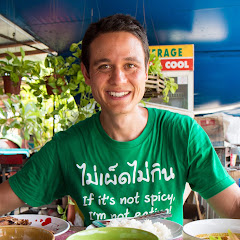
Un'eccezionale esperienza teppanyaki a Miyazaki, in Giappone, con manzo Wagyu di Miyazaki A5 di prima qualità, noto per la sua squisita marezzatura e consistenza che si scioglie in bocca, insieme a deliziosi contorni e un unico toast da dessert infuso con grasso di manzo.