Piatto
Capocollo
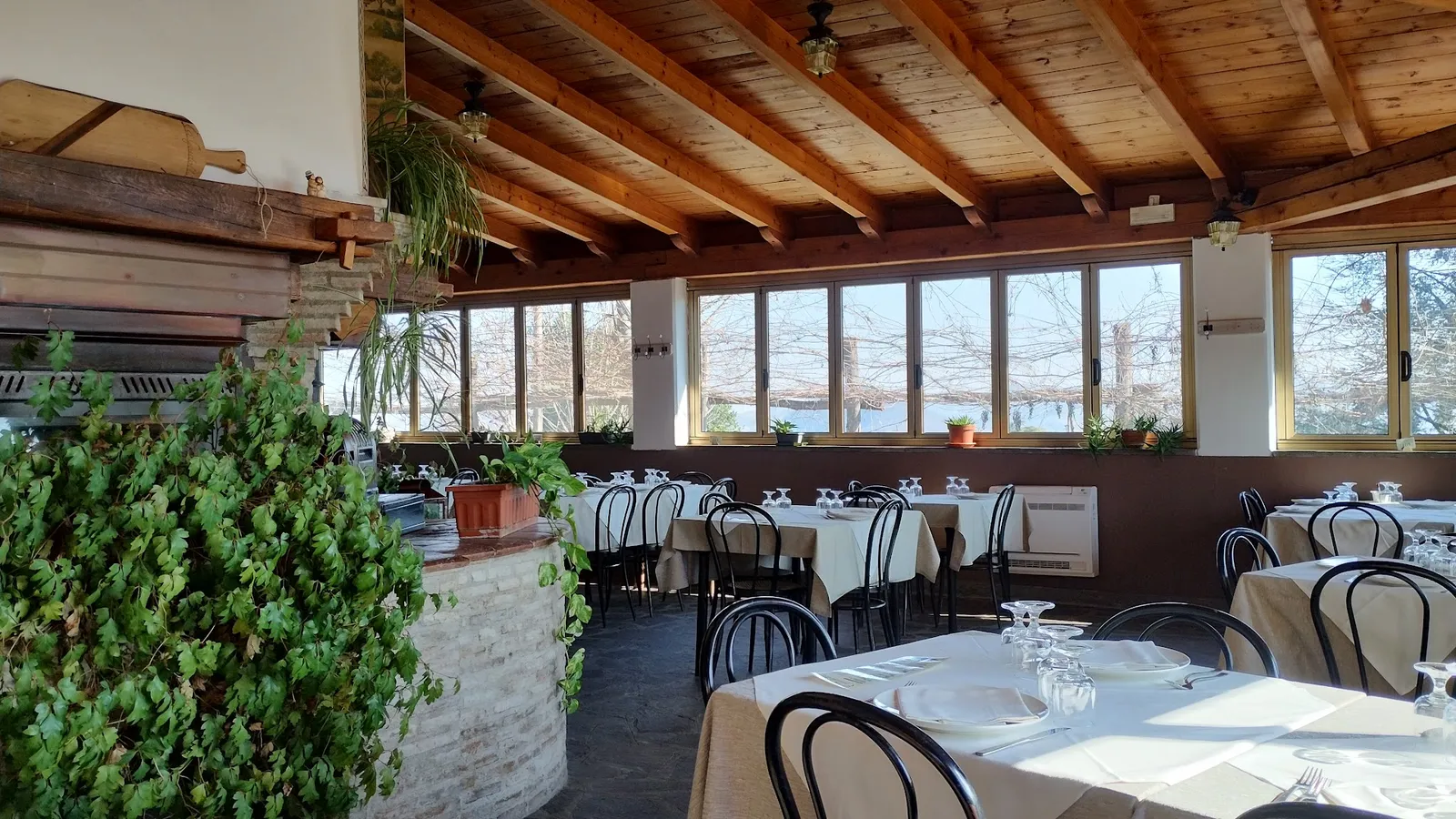
Foto da
Agriturismo Ca' Guido · Luminasio
La storia
Capocollo, also known as capicola or coppa, is an Italian cured meat derived from the neck or shoulder muscle of the pig. Its origins lie in Southern Italy, particularly in regions such as Calabria and Campania, where traditional methods of salting and air-drying were perfected. The key ingredients are pork neck, salt, and a blend of spices that typically includes black pepper, garlic, fennel seeds, and often Calabrian chili (peperoncino). The meat is dry-cured for several months, allowing the fat to render and the flavors to concentrate.
A great version of capocollo is distinguished by its deep red color with visible, soft white fat streaking through—indicating proper marbling. The texture should be tender but firm, not dry or crumbly. The flavor is balanced: salty, slightly sweet from the pork, and accented by the spice rub without overwhelming the meat’s natural taste. The aging process is crucial; a well-aged capocollo develops complexity without becoming overly salty or hard.
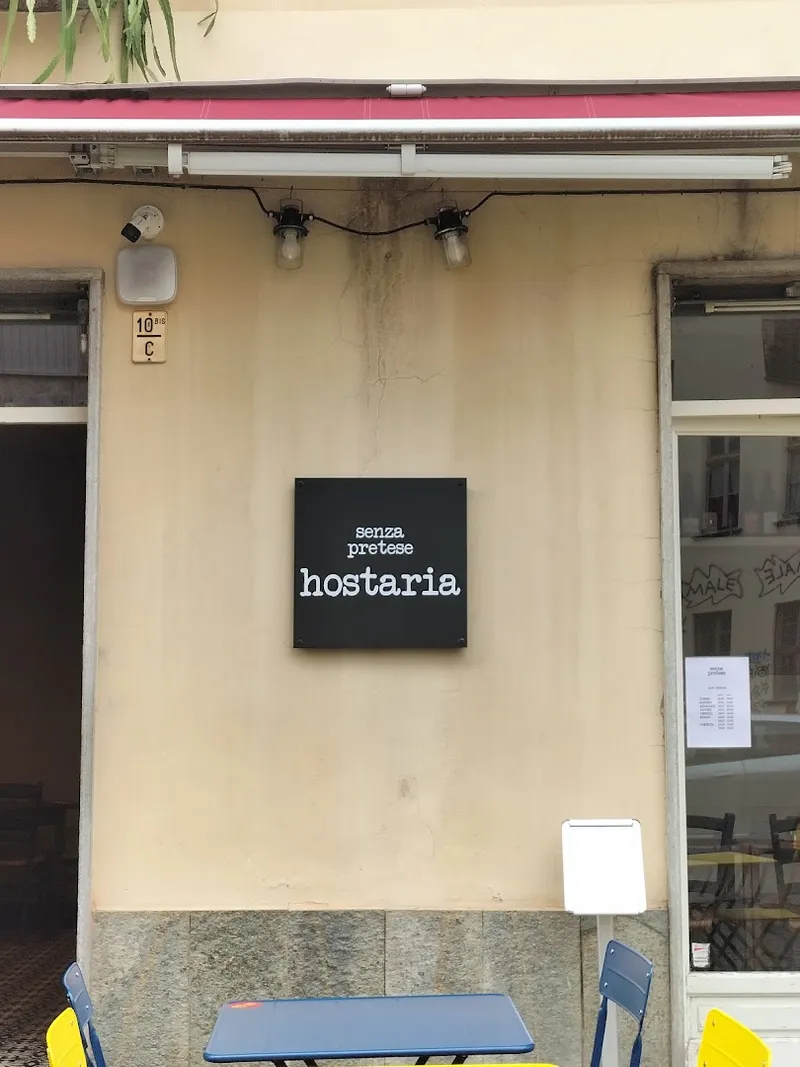
Regional variations reflect local terroir and preferences. In Calabria, capocollo is often coated in hot red pepper paste, giving it a fiery kick. Campanian versions may be milder, with garlic and wine, while from Lombardy, the “coppa piacentina” uses different cuts and seasonings. In Torino, the dish is celebrated at the venue Senza Pretese, where creator Braciamiancora presents a rendition that honors traditional techniques, focusing on the purity of the cured meat. This local iteration highlights how capocollo adapts to Northern Italian palates while retaining its southern soul, making it a versatile delicacy enjoyed across Italy and beyond.
Sintetizzato dall'intelligenza artificiale a partire dalle recensioni di ogni creator.
Dove mangiarlo
3 posti recensiti dai creator di YouTube.
Luminasio (1)
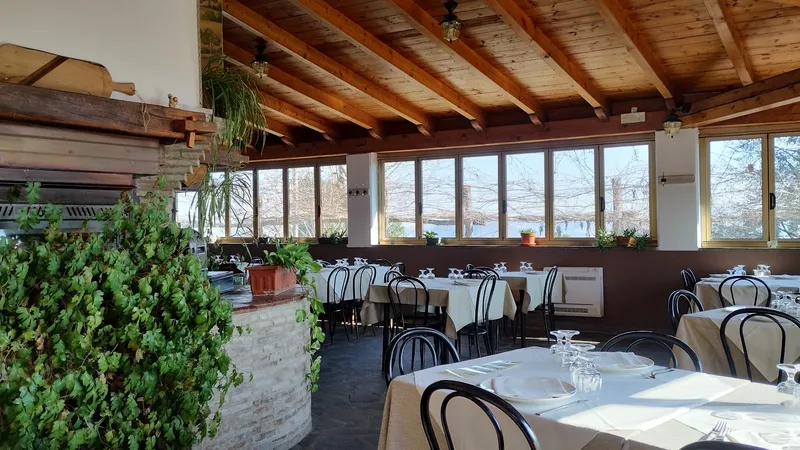
Colonnella (1)
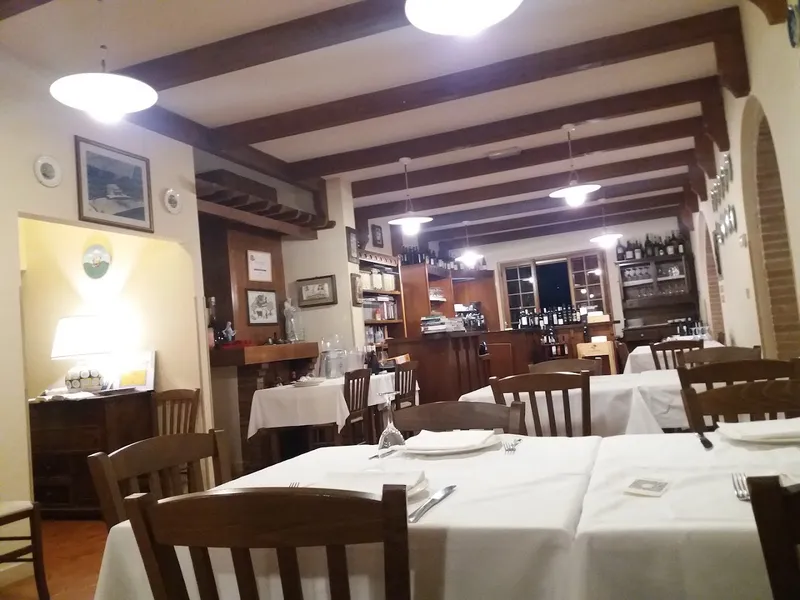
Torino (1)
Cosa dicono i creator
Il meglio da 3 recensioni dei creator su Capocollo.
Una trattoria storica trasformata in agriturismo sull'Appennino bolognese, famosa per il maiale Mora Romagnola e la pasta all'ortica fatta in casa — tutto era buono, specialmente i tortellini verdi alla panna e le crescentine.
Un posto meraviglioso, come un paradiso, dove abbiamo mangiato molto bene — si sente un'ottima mano in cucina e i prodotti sono preparati con ottime materie prime.
Una solida trattoria senza pretese che fonde con successo tradizione romana e piemontese, con piatti di punta come la coda alla vaccinara e il flan di vignarola, anche se la cacio e pepe va migliorata.