Dish
Strangozzi con Cavolo Nero e Bilone di Pane
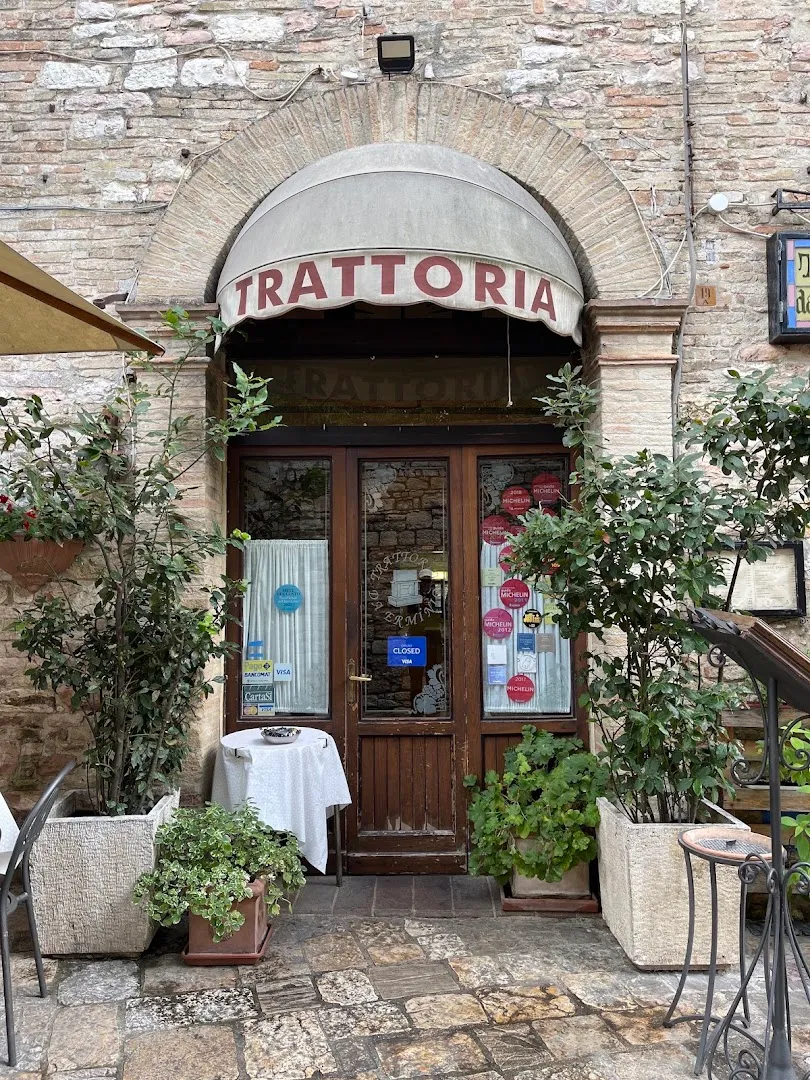
Photo from
Trattoria da Erminio · Assisi
The story
Strangozzi con Cavolo Nero e Bilone di Pane is a rustic pasta dish from the Umbria region of central Italy, where the local strangozzi pasta—thick, hand-cut ribbons similar to spaghetti alla chitarra—is paired with black kale (cavolo nero) and a crunchy breadcrumb component. The "bilone di pane" refers to toasted breadcrumbs, often seasoned with garlic, herbs, and olive oil, which add texture and nuttiness. This dish exemplifies the cucina povera tradition, transforming simple pantry staples into a hearty meal. The bitter, earthy flavor of cavolo nero balances the richness of the pasta and the savory crunch of the breadcrumbs.
A great version depends on the quality of the strangozzi, which should be cooked al dente, and the kale, which must be properly wilted in good olive oil to soften its bitterness. The breadcrumbs are key: they should be golden and crisp, not greasy, and ideally made from day-old rustic bread. Some cooks add anchovy or chili for depth. In Umbria, variations may use other winter greens like chicory or incorporate guanciale, but the pure kale-and-breadcrumb combination is a classic.
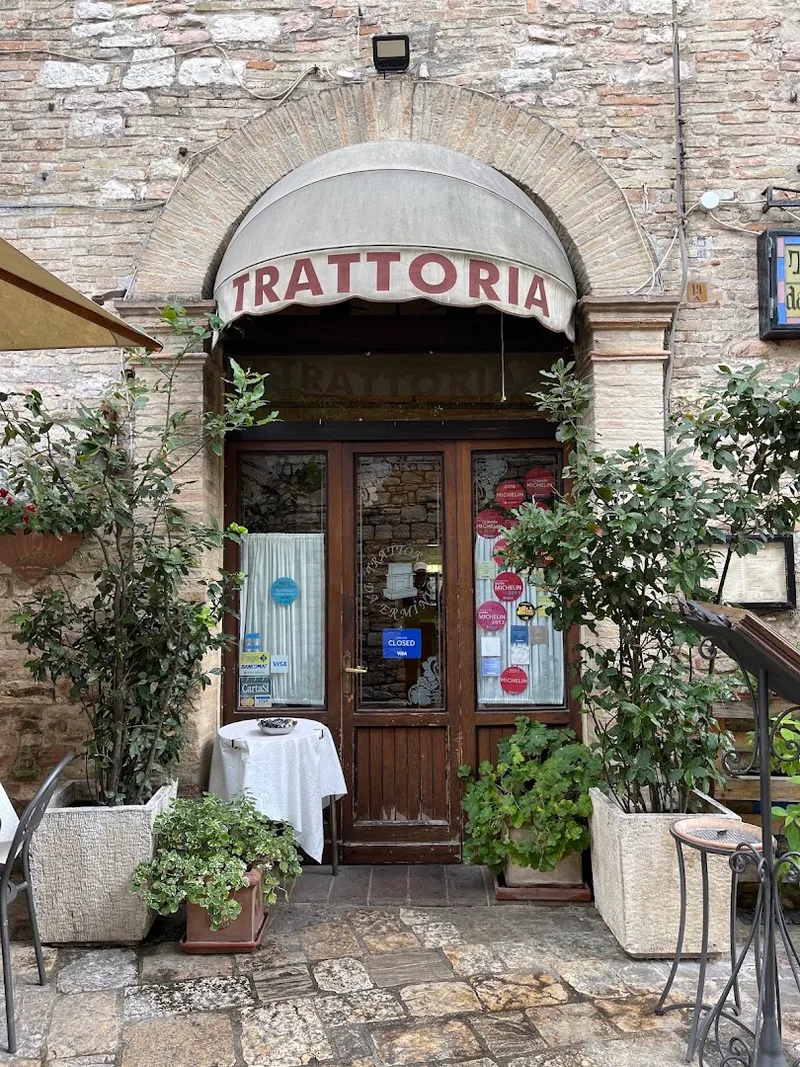
A notable example is served at Trattoria da Erminio in Assisi, Italy, as featured by the content creator JustUs. There, the bilone di pane is likely prepared with local bread and finished with a drizzle of extra-virgin olive oil, highlighting the region’s traditional flavors. While not as widely known as other Umbrian pastas, this dish is prized by locals and visitors for its honest, earthy character.
Synthesised by AI from every creator’s review.
Where to eat it
1 place reviewed by YouTube creators.
What creators say
Highlights from 1 creator review of Strangozzi con Cavolo Nero e Bilone di Pane.

A hidden trattoria in the historic center of Assisi with over 60 years of history, serving traditional Umbrian dishes; the food was satisfying and authentic, but the final bill was too high for a trattoria, leaving a bitter aftertaste.