Dish
Semla
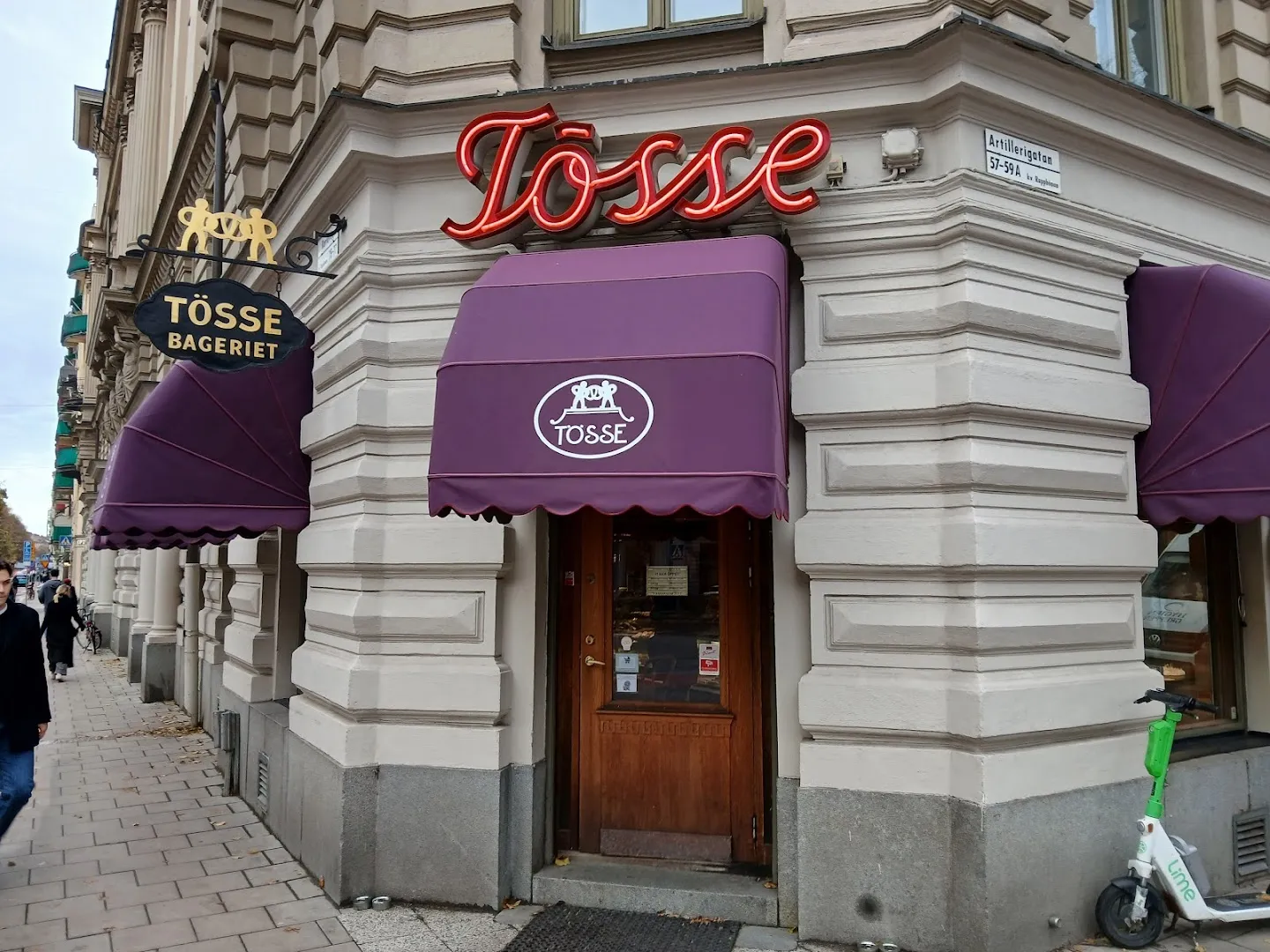
Photo from
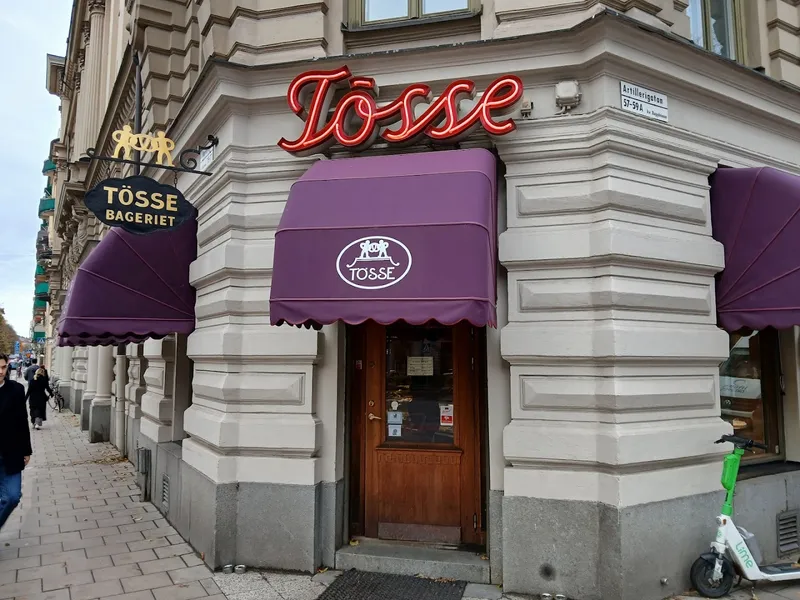
Tössebageriet · Stockholm
The story
Semla is a traditional Swedish pastry, historically associated with Shrove Tuesday (Fettisdagen) but now enjoyed throughout the Lenten season. Its origins trace back to the 16th century, when it was a simple bread bun eaten in a bowl of warm milk, known as *hetvägg*. The modern form emerged in the 19th century as a cardamom-spiced wheat bun, its top sliced off to form a lid, the interior scooped out and mixed with almond paste and milk, then refilled and topped with whipped cream and the lid replaced, often dusted with powdered sugar.
A great semla is distinguished by its balance: a light, airy bun with a pronounced cardamom aroma, a rich but not overly sweet almond paste, and clouds of lightly sweetened whipped cream that provide a cool contrast. The bun should be soft enough to yield to the spoon but sturdy enough to hold the filling. In Stockholm, Comet Café has been cited by *Where The Foodies Go* as a notable purveyor, praised for its generous cream-to-bun ratio and expertly spiced dough.
Regional variations abound. In Sweden, the classic *semla* is often served in a bowl of hot milk (*hetvägg*), a version particularly popular in the north. Finland has its *laskiaispulla*, which can be filled with either almond paste or raspberry jam. Denmark offers the *fastelavnsbolle*, a larger, often iced bun filled with jam and custard, while Norway’s *fastelavnsbolle* is similar but frequently uses raisins in the dough. The semla has also inspired modern interpretations, including semla-flavored ice cream, doughnuts, and even a semla burger.
Synthesised by AI from every creator’s review.
Where to eat it
2 places reviewed by YouTube creators.
What creators say
Highlights from 2 creator reviews of Semla.


A classic bakery in Östermalm, one of the best places for semla, with a soft bun and amazing almond cream, great value.
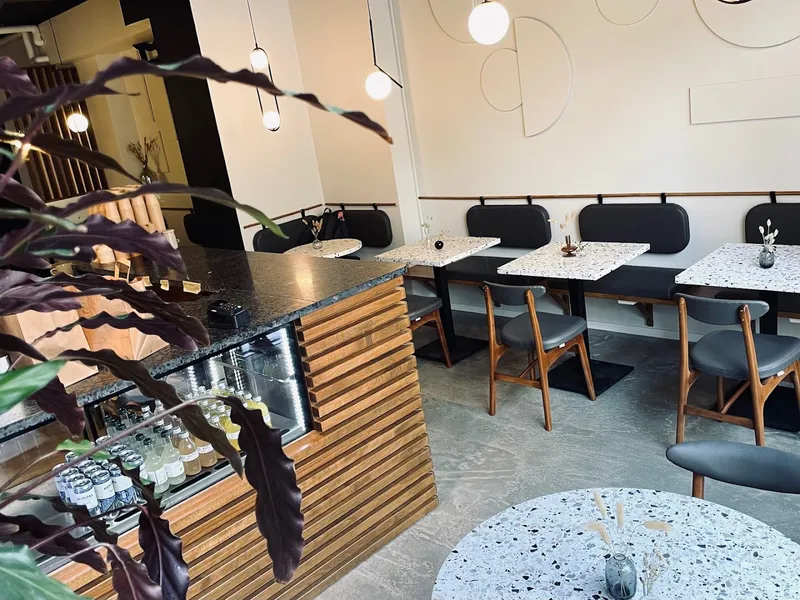
A promising spot for breakfast with a giant Semla and a pistachio pastry, plus good coffee.