Dish
Rigatoni Cacio e Pepe
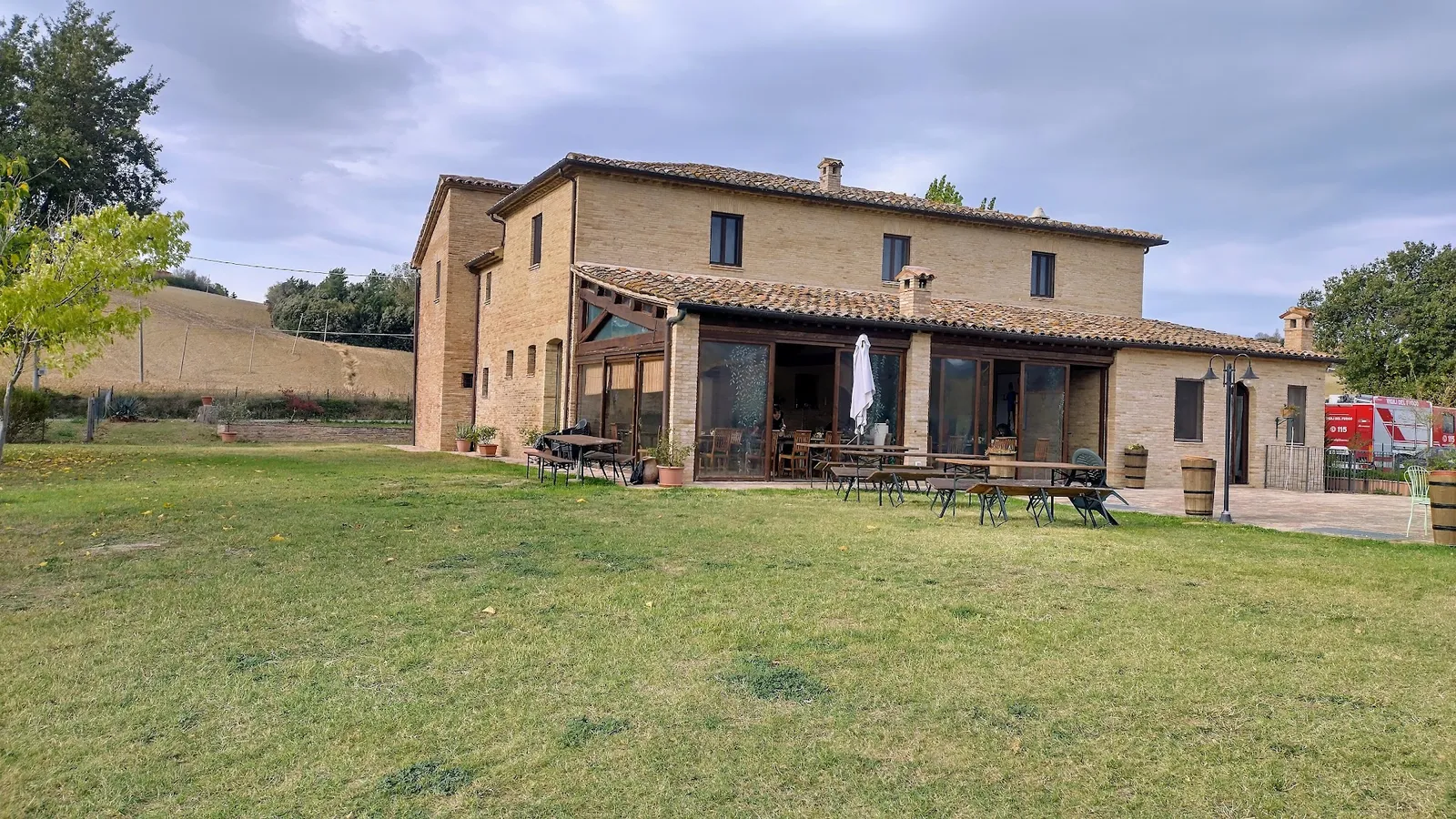
Photo from
La Stazione di Posta Cambio Cavalli · Arcevia
The story
Rigatoni cacio e pepe originates from Rome, where the dish was traditionally made by shepherds who carried pecorino cheese, black pepper, and dry pasta as non-perishable staples. The key ingredients are pasta—in this case rigatoni—Pecorino Romano cheese, coarse black pepper, and the starchy pasta water used to form the emulsion. A great version hinges on technique: the cheese must be freshly grated and the pasta water gradually incorporated off the heat to create a creamy, non-grainy sauce that clings to the rigatoni’s ridges. The pepper should be toasted and coarsely ground to release its oils without becoming bitter. At La Stazione di Posta Cambio Cavalli in Arcevia, Italia, the creator JustUs has been recognized for a rigatoni cacio e pepe that highlights how the tubular shape holds the sauce, giving each bite a balanced burst of salty, sharp cheese and warm spice. Regional variations exist across Lazio: purists insist on only pecorino and pepper, while adaptations sometimes add a touch of butter or olive oil. Outside Italy, cooks may substitute Grana Padano or add cream, which purists reject. What distinguishes the dish is its deceptive simplicity—the emulsion must be perfect, the pasta cooked al dente, and the seasoning bold but not overpowering. This rigatoni version demonstrates the classic’s versatility while honoring its Roman roots.
Synthesised by AI from every creator’s review.
Where to eat it
1 place reviewed by YouTube creators.
What creators say
Highlights from 1 creator review of Rigatoni Cacio e Pepe.

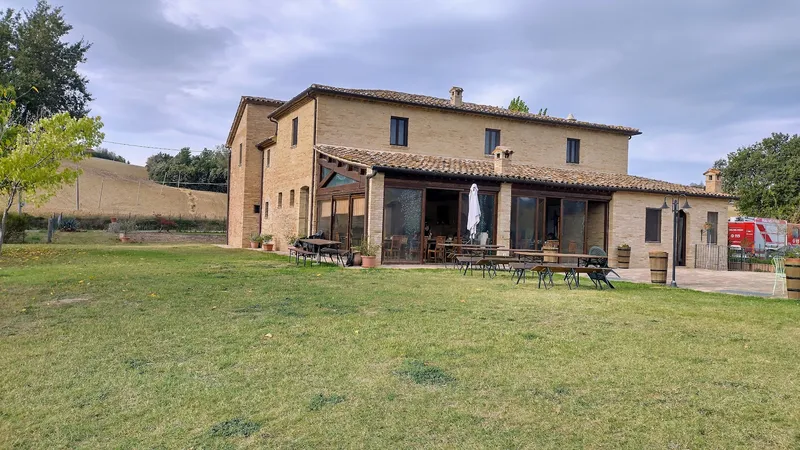
A stunning agriturismo in a restored post station, with a medieval-style veranda, own vegetable garden and farm animals, serving a fixed lunch menu of good quality (though not all homemade as advertised), with excellent vegetables and their own pecorino, at an incredible value of just €15 per person; the only letdown was the grappa served cold with ice.