Dish
Queso de Oveja
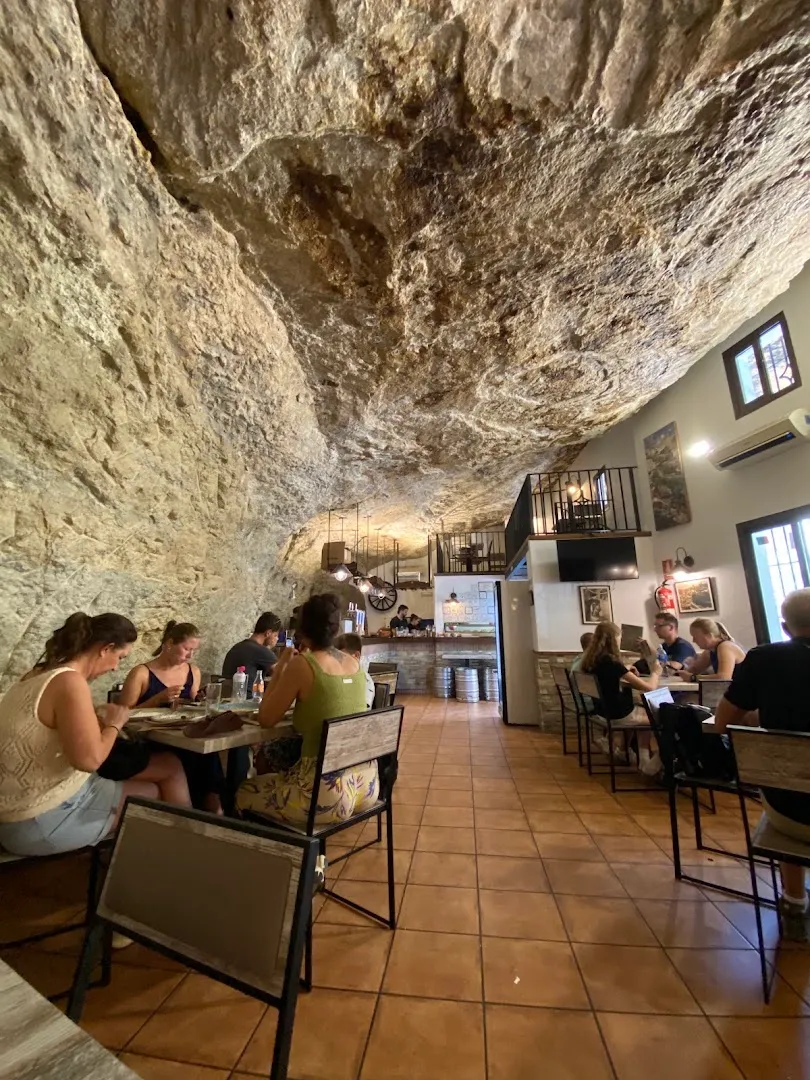
Photo from
Bar Fasquito · Setenil de las Bodegas
The story
Queso de Oveja, or sheep's milk cheese, has been produced across the Iberian Peninsula since at least the Roman era, with the semi-arid climate and rugged terrain of regions like Andalusia being particularly suited to sheep grazing. The fundamental ingredients are raw or pasteurized sheep's milk, rennet for coagulation, salt for preservation, and time for aging. What distinguishes a great Queso de Oveja is a deeply savory, nutty, and sometimes slightly tangy flavor, with a firm yet creamy texture that ranges from young and mild to aged and crumbly, often developing a buttery richness and a piquant finish. The rind may be natural, oiled, or waxed, and top versions are characterized by a clean, lactic aroma and a long, lingering taste. Regional variations are abundant: Spain boasts numerous D.O. cheeses such as Manchego from La Mancha, Zamorano from Castile and León, and Idiazábal from the Basque Country and Navarre. Each reflects local breeds of sheep, specific pastures, and distinct aging traditions. In the whitewashed town of Setenil de las Bodegas, where houses are built into rocky overhangs, local sheep cheeses are served at Bar Fasquito. According to the travel series *Only Scrans*, Fasquito offers an excellent example of the region's queso de oveja, likely produced from the milk of Churra or Merino sheep, and aged to a perfect balance of firmness and flavor. This local interpretation highlights the deep connection between landscape and cheese in southern Spain.
Synthesised by AI from every creator’s review.
Where to eat it
1 place reviewed by YouTube creators.
Setenil de las Bodegas (1)
What creators say
Highlights from 1 creator review of Queso de Oveja.

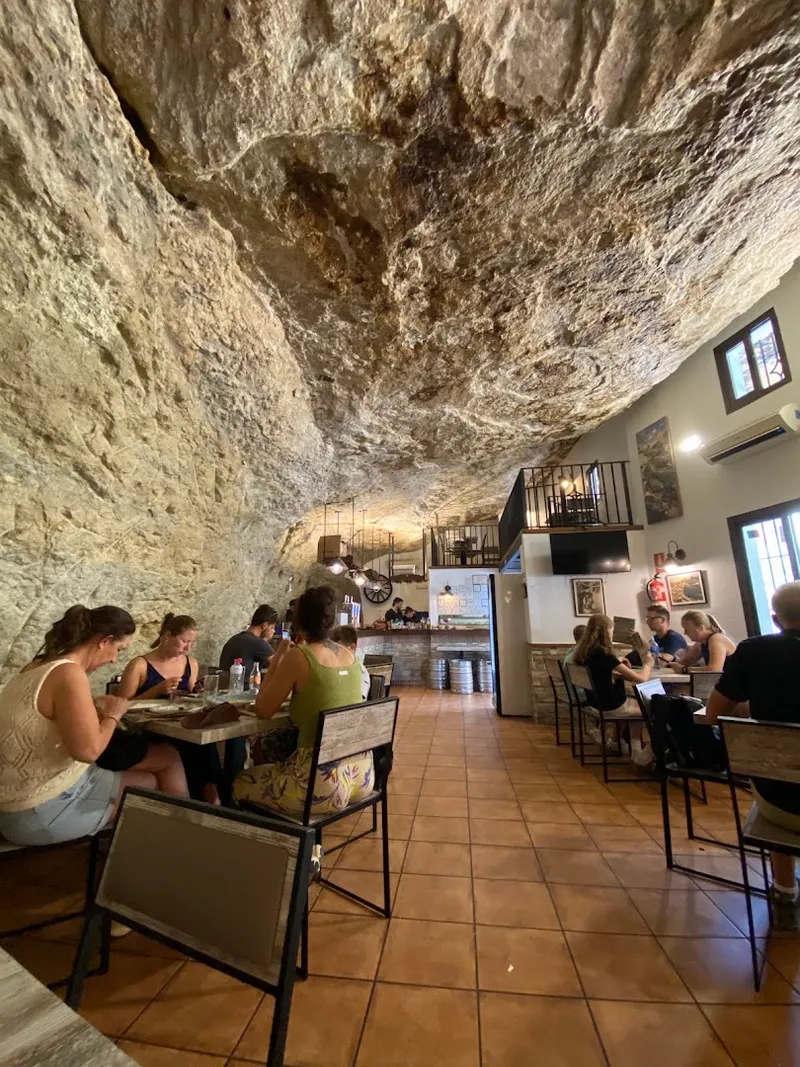
Bar Fasquito in Setenil de las Bodegas serves incredible grilled meats and local specialties under a cliff, offering a unique dining experience that's both delicious and memorable.