Dish
Minestra di Bisnonno Nicola 1925
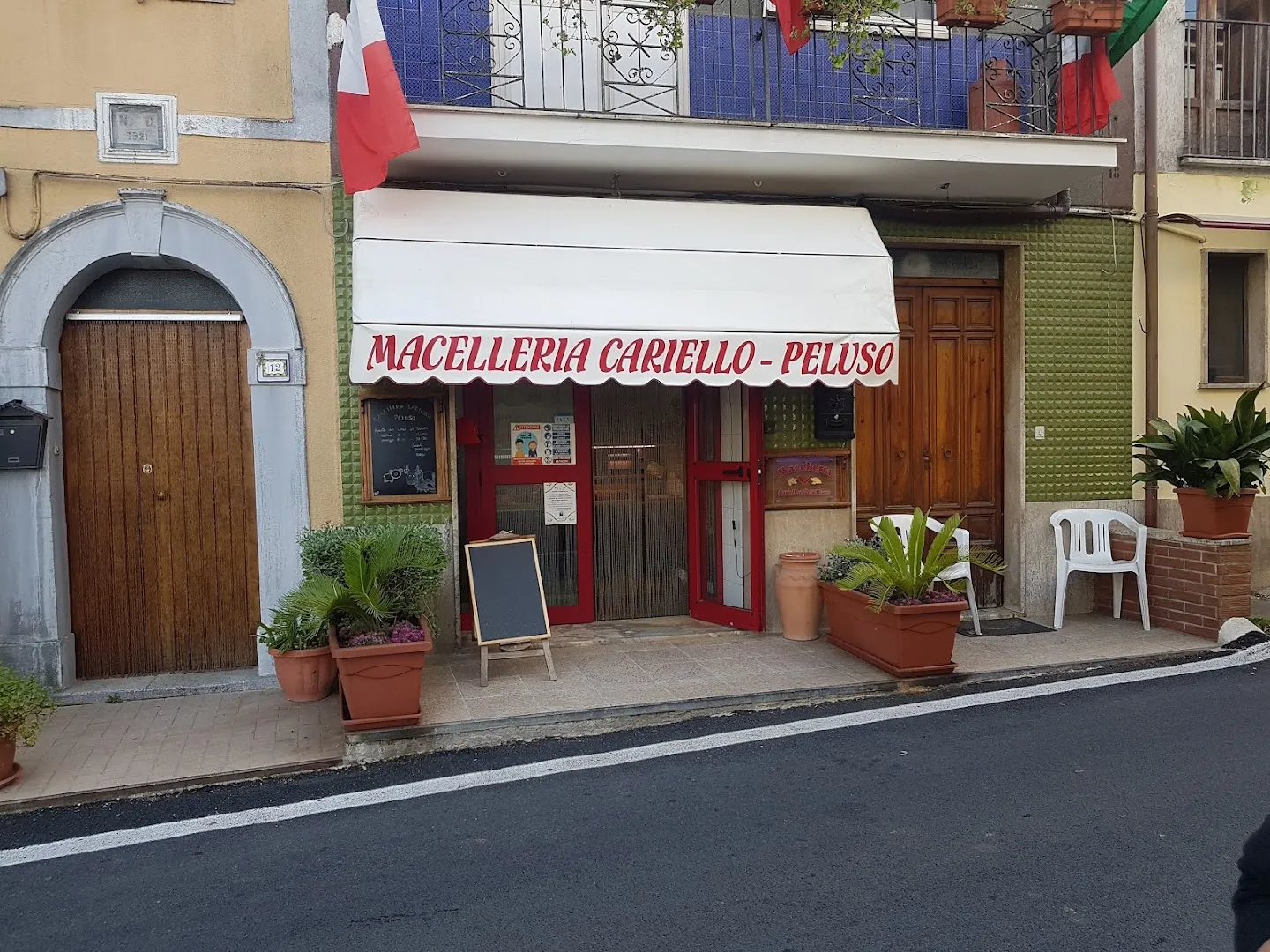
Photo from
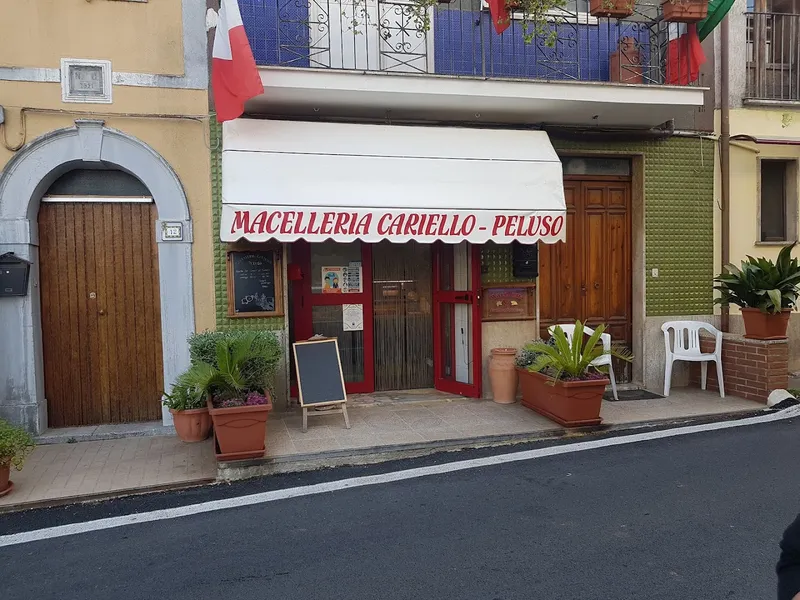
Macelleria Cariello Peluso · Acquavena
The story
Minestra di Bisnonno Nicola 1925 is a traditional Italian soup-stew believed to originate from the family kitchen of Nicola Cariello, whose recipe has been preserved and served at **Macelleria Cariello Peluso** in Acquavena, Italia. According to creator **Braciamiancora**, the dish honors the chef’s great-grandfather and the year 1925, when the recipe was first recorded. This minestra is a hearty, slow-simmered soup typically made with a base of dried beans—often borlotti or cannellini—combined with seasonal vegetables such as cavolo nero, potatoes, and carrots. A key component is the addition of pasta (commonly broken spaghetti or ditalini) and a rich broth built from pork or beef bones, often enriched with bits of cured pork like pancetta or guanciale. What distinguishes an exceptional version is the depth of flavor achieved by sautéing aromatics (garlic, onion, and rosemary) in rendered pork fat before adding the vegetables, and the careful balance of textures: tender beans, al dente pasta, and a broth thick enough to coat the spoon. The dish is finished with a drizzle of extra-virgin olive oil and a grating of pecorino romano. Regional variations abound across southern Italy: in Campania, cooks might add chunks of sweet sausage or use local friarielli, while in Basilicata the soup is sometimes thickened with stale bread instead of pasta. At Macelleria Cariello Peluso, the minestra is served year-round, but it is especially prized in winter as a restorative, one-bowl meal that reflects the cucina povera tradition of making the most of humble, earthy ingredients.
Synthesised by AI from every creator’s review.
Where to eat it
1 place reviewed by YouTube creators.
Acquavena (1)
What creators say
Highlights from 1 creator review of Minestra di Bisnonno Nicola 1925.
A historic 100-year-old butcher shop in Acquavena that preserves tradition through four generations, offering authentic local pork products and dishes that tell the story of Cilento's culinary heritage.