Dish
Lupini
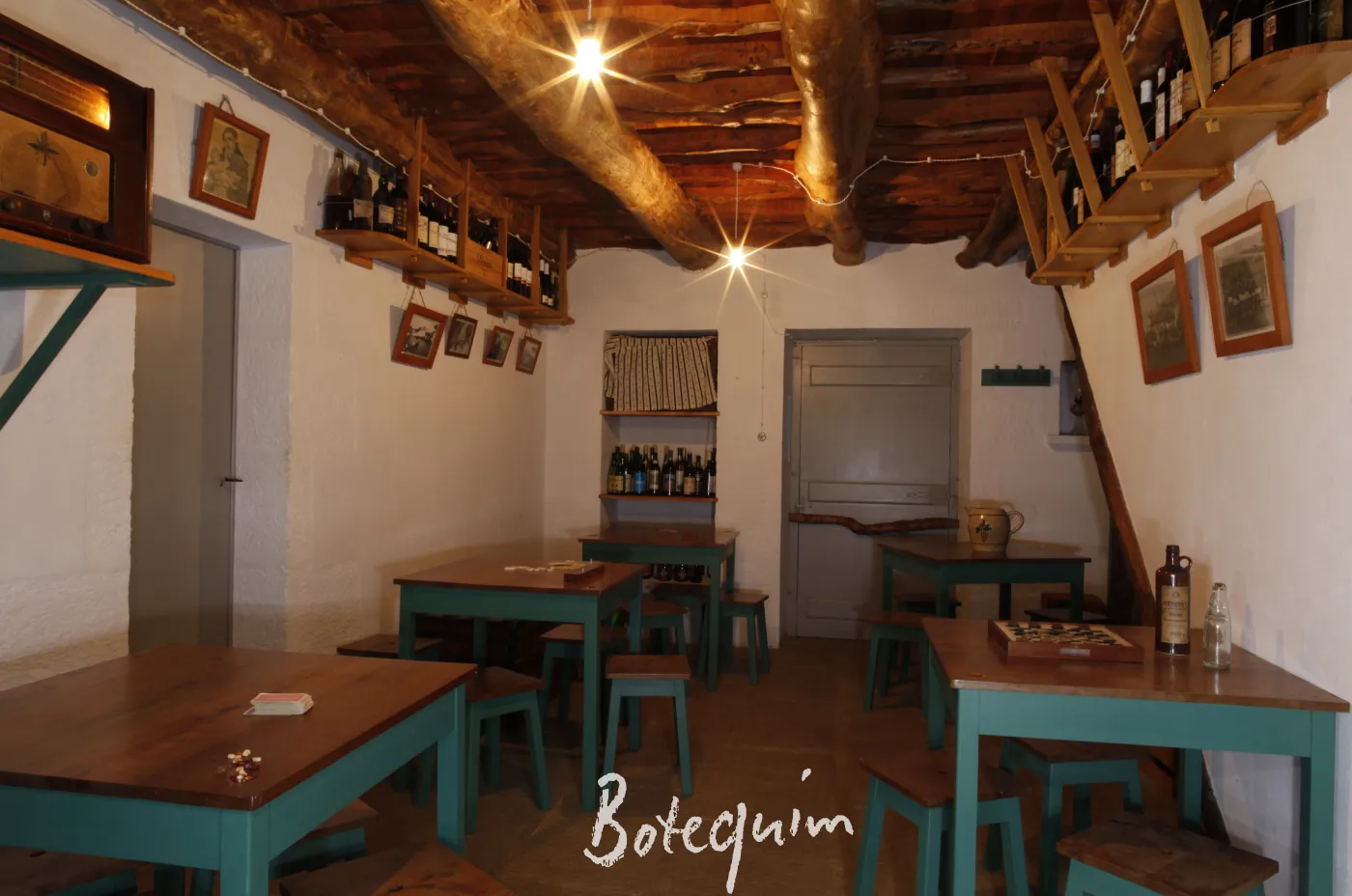
Photo from
Quinta do Martelo · São Mateus da Calheta
The story
Lupini are large, yellow legumes derived from lupin plants, particularly *Lupinus albus*, and have been cultivated since ancient times in the Mediterranean basin. Native to the Balkans and the Middle East, they spread to Italy, Portugal, Spain, and later to Latin America. The beans are extremely bitter when raw due to alkaloids, so they require days of soaking and rinsing or a brining process to become edible.
Key ingredients are simply the cured lupini beans, salt, and water, with optional olive oil, herbs, or chili. What distinguishes a great version is the texture—firm yet creamy, not mushy—and the complete removal of bitterness while retaining a pleasant saltiness. The outer skin should be tender enough to slip off easily between teeth, a hallmark of proper preparation.
Regional variations include Italian *lupini*, often eaten with beer as a street snack; Spanish *altramuces*, served in tapas bars with paprika; and Portuguese *tremoços*, commonly marinated in olive oil, garlic, and coriander. In Latin America, Mexico prepares *lupines* with lime and chili. A notable Portuguese rendition appears at Quinta do Martelo in São Mateus da Calheta, where the beans are reportedly served in a traditional style praised by the food blog *Sentieri Golosi*. Across all traditions, the dish remains a humble, protein-rich snack that rewards patience and careful curing.
Synthesised by AI from every creator’s review.
Where to eat it
1 place reviewed by YouTube creators.
São Mateus da Calheta (1)
What creators say
Highlights from 1 creator review of Lupini.

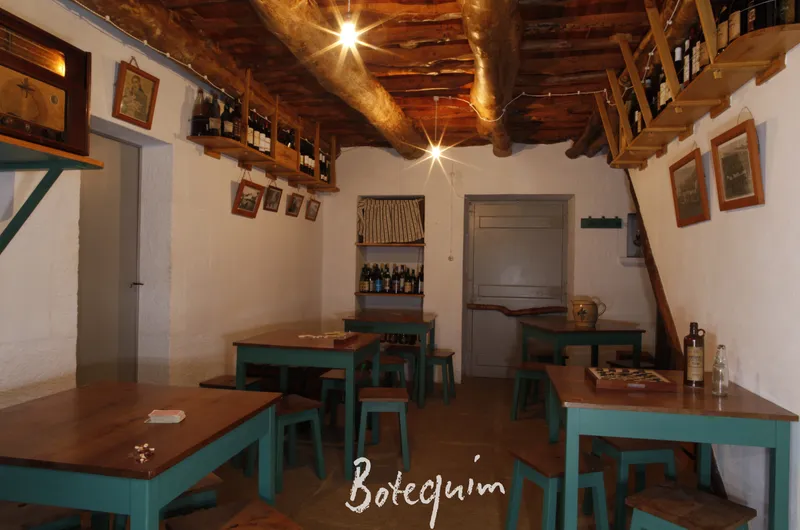
A perfect Sunday lunch spot — rustic, authentic, with everything homemade, from the cheese to the Alcatra, in a charming farmhouse setting where you eat in a cupboard.