Dish
Japanese Cheesecake
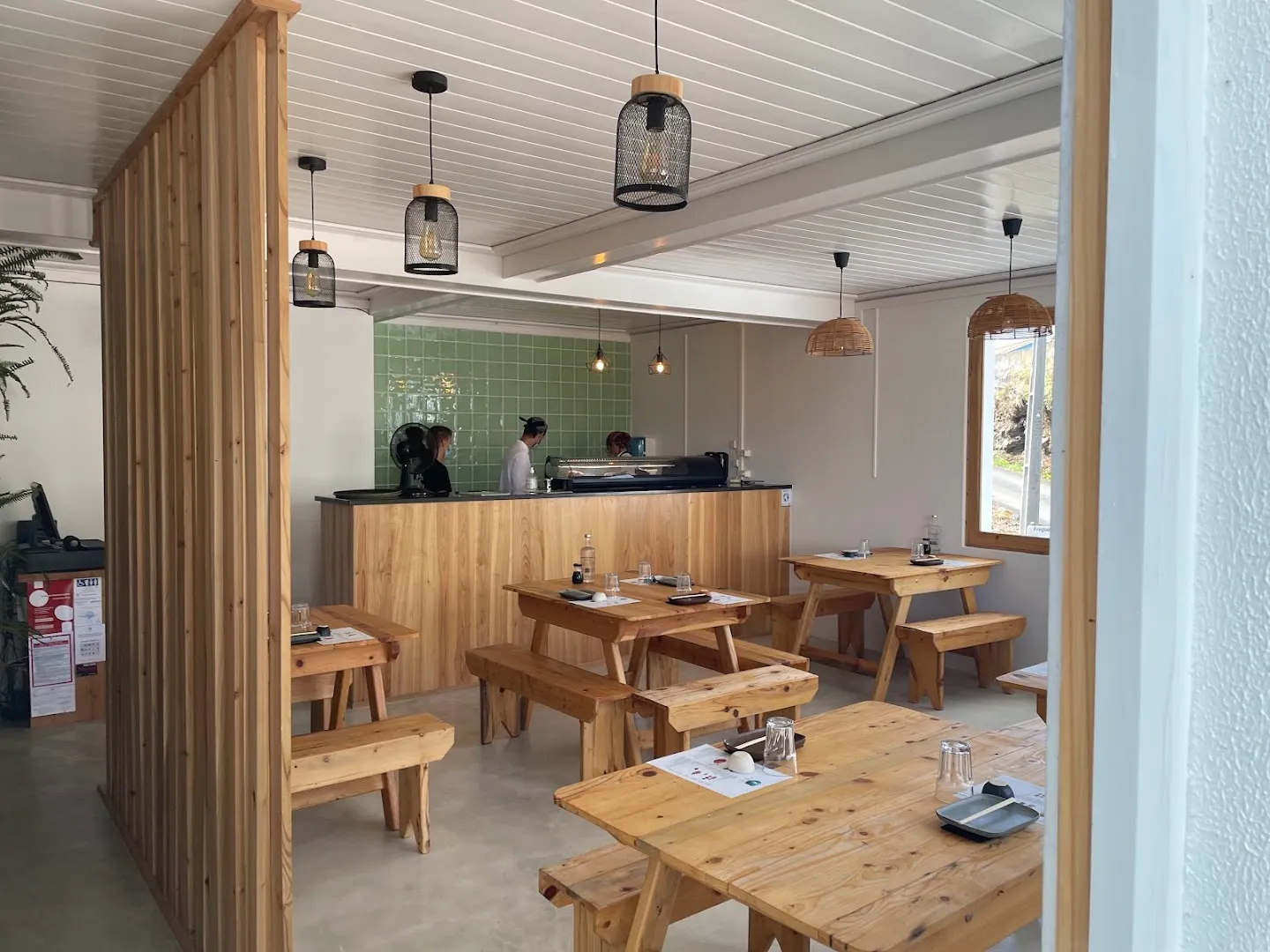
Photo from
Mar Sushi Terrace · Lajes do Pico
The story
Japanese cheesecake, also known as soufflé cheesecake or cotton cheesecake, originated in Japan in the late 20th century as a lighter adaptation of the dense New York-style cheesecake. It was popularized by bakeries such as Rikuro and Uncle Tetsu, who refined the technique of folding stiffly beaten meringue into a cream cheese batter to achieve an airy, jiggly texture.
Key ingredients include cream cheese, eggs, sugar, milk or cream, and a small amount of flour or cornstarch. Butter is sometimes added for richness, and lemon juice or zest may provide subtle acidity. A great version is defined by its delicate wobble, a fine, uniform crumb, and a moist, cloud-like mouthfeel that barely weighs on the palate. It should be subtly sweet, without being cloying, and free of any cracks or browning, which indicate improper water-bath baking or overmixing.
Regional variations are common: some iterations incorporate matcha, yuzu, or chocolate, while others use less cream cheese for an even lighter cake. Outside Japan, adaptations often adjust sweetness levels to local tastes. For example, at Mar Sushi Terrace in Lajes do Pico, Portugal, the dish is served as part of a Japanese-influenced menu, highlighting its global reach. According to the guide *Sentieri Golosi*, this venue presents the cheesecake with a delicate balance of textures, staying true to the original while adapting to a European audience. The dessert continues to evolve, with home bakers experimenting with steam-baking and alternative flours, but the essential character—a soft, soufflé-like lift—remains its defining trait.
Synthesised by AI from every creator’s review.
Where to eat it
1 place reviewed by YouTube creators.
Lajes do Pico (1)
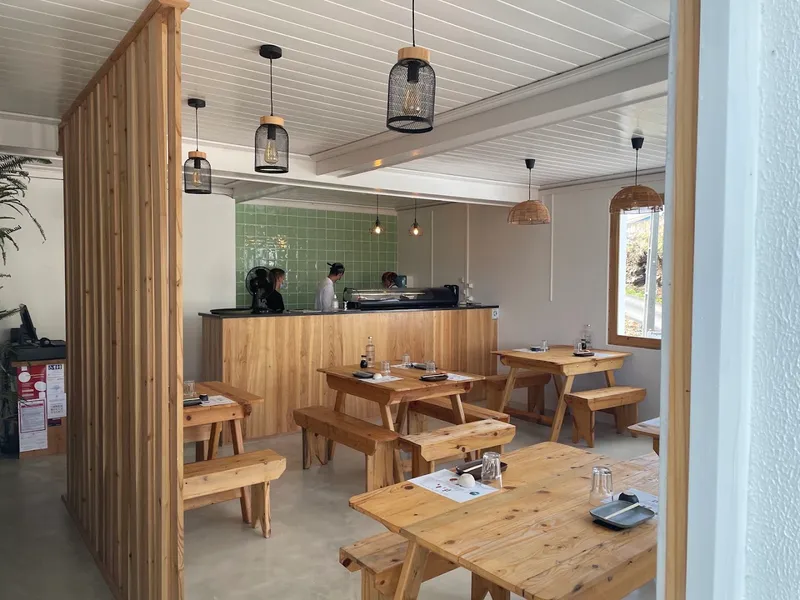
What creators say
Highlights from 1 creator review of Japanese Cheesecake.

A sushi place with a beautiful terrace overlooking the ocean, serving very fresh local fish — a pleasant surprise in the middle of the Atlantic.