Dish
Injara
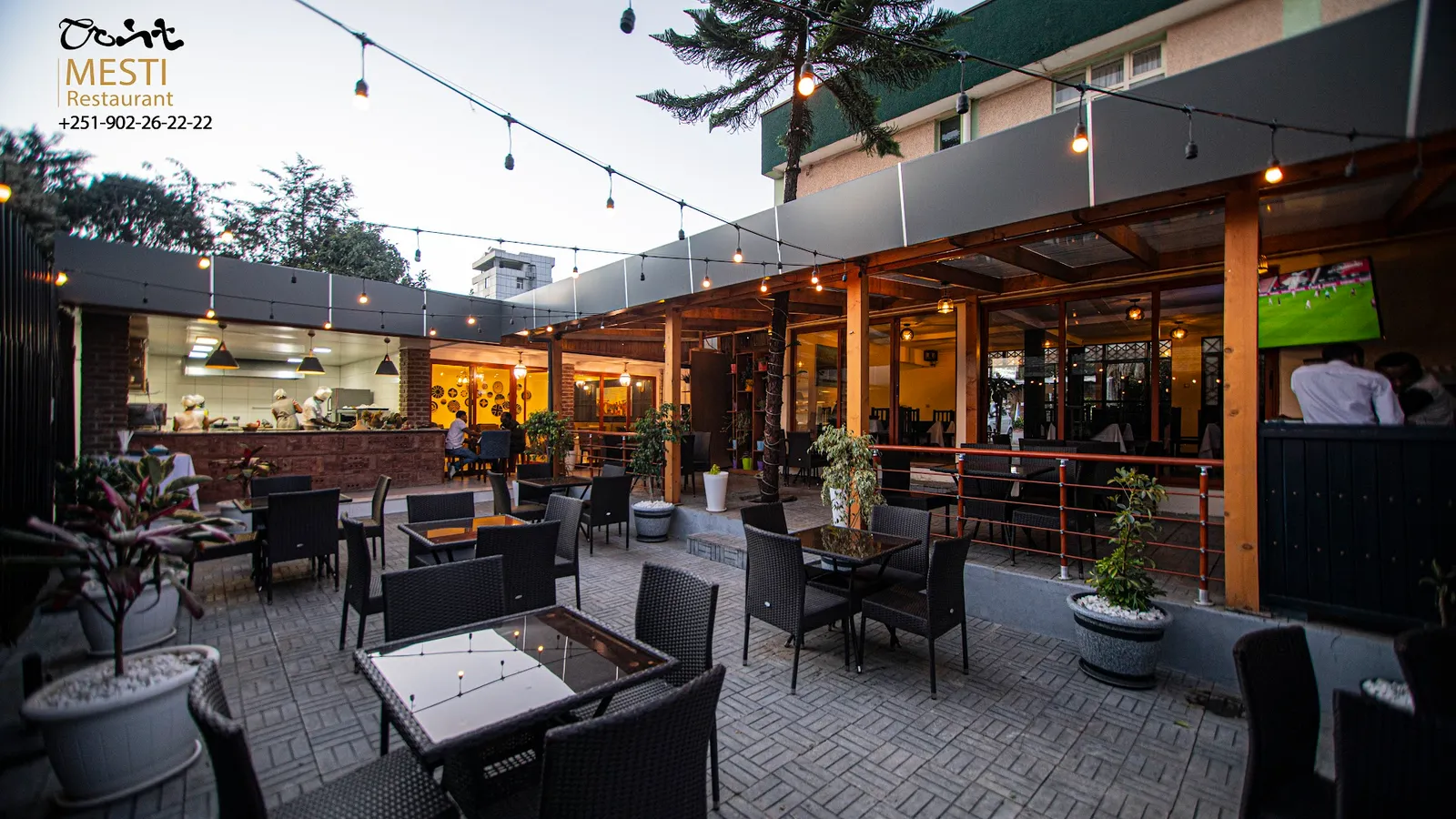
Photo from
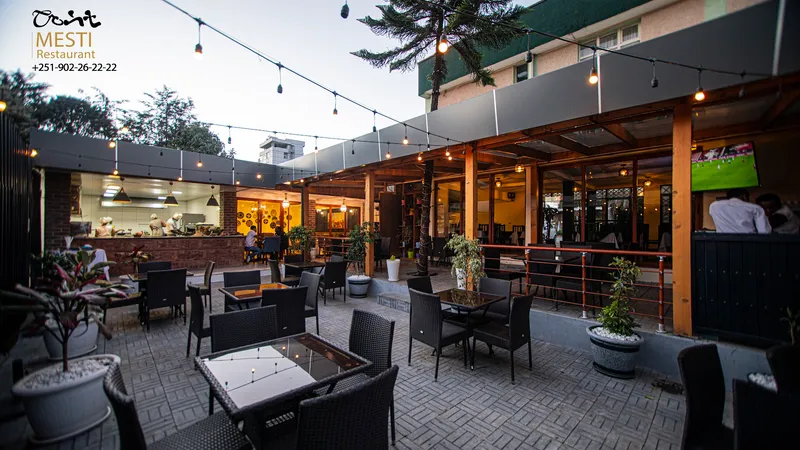
Majit Restaurant · Addis Ababa
The story
Injera is a spongy, fermented flatbread and the foundational staple of Ethiopian and Eritrean cuisine. Its origins trace back centuries to the Ethiopian highlands, where the grain teff—a tiny, nutrient-dense cereal—has been cultivated for millennia. The batter is made by mixing teff flour with water and allowing it to ferment for several days, which gives injera its characteristic tangy, sourdough-like flavor. The batter is then poured onto a large, hot clay or metal griddle (a mitad) in a circular motion and cooked on one side only, producing a porous, bubbly texture ideal for scooping up stews.
A great injera is defined by its balance of sourness and subtle sweetness, its pliable yet slightly chewy texture, and the presence of small, evenly distributed "eyes" (holes) on the surface. It should not be brittle or overly dense. In Addis Ababa, Ethiopia, the dish is famously served at **Majit Restaurant**, where, according to creator **Luke Martin**, the injera is used as both a plate and an eating utensil for a variety of wot (stews) and tibs (sautéed meats). Regional variations exist: in rural areas, injera is often made exclusively from teff, while in urban settings or abroad, it may be blended with barley, millet, or wheat to reduce cost. The Eritrean version tends to be slightly thinner and more sour, while the Ethiopian style is often thicker and softer. Regardless of variation, injera remains a communal centerpiece, with diners tearing off pieces to share from a single large platter.
Synthesised by AI from every creator’s review.
Where to eat it
1 place reviewed by YouTube creators.
Addis Ababa (1)
What creators say
Highlights from 1 creator review of Injara.
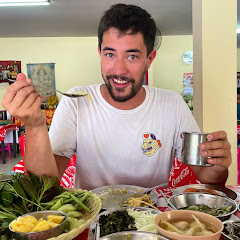
Majit Restaurant serves authentic traditional Ethiopian food, and the vegan fasting platter with over 17 dishes was incredibly flavorful and healthy.