Dish
Dal
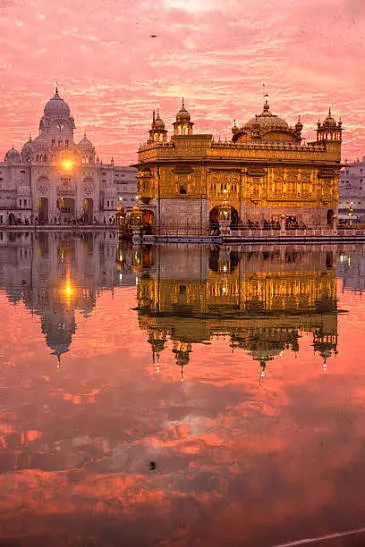
Photo from
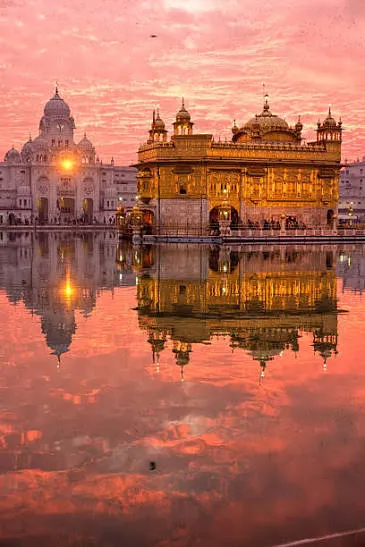
Golden Temple Langar (Harmandir Sahib) · Amritsar
The story
Dal, a staple of the Indian subcontinent, refers to dried, split pulses (such as lentils, peas, or beans) and the hearty, spiced stew made from them. Its origins trace back thousands of years, with references in ancient Vedic texts. The dish is a cornerstone of daily sustenance, providing affordable, plant-based protein across all social strata.
A great version of dal is defined by its texture and layering of flavors. The lentils must be cooked until they are creamy and fully broken down, yet the final dish should not be watery. The essential *tadka* (tempering) of spices—typically cumin seeds, mustard seeds, dried red chilies, and garlic—sizzled in ghee or oil and stirred in at the end, is what elevates it. A squeeze of lemon and a garnish of fresh coriander provide a final, bright contrast.
Regional variations are vast. In the north, **Dal Makhani** uses whole black lentils and kidney beans, slow-cooked with cream and butter for a rich, luxurious texture. In the south, **Sambar** is a tangy, vegetable-laden stew made with toor dal and tamarind. In Gujarat, **Dal Dhokli** features dumplings cooked directly in a sweet-sour lentil soup. A profoundly significant version is served daily at the **Golden Temple Langar (Harmandir Sahib) in Amritsar, India**, as noted by creator **Mark Wiens**. This simple, nourishing dal is a cornerstone of the temple's free communal meal, embodying the principles of equality and service.
Synthesised by AI from every creator’s review.
Where to eat it
1 place reviewed by YouTube creators.
What creators say
Highlights from 1 creator review of Dal.
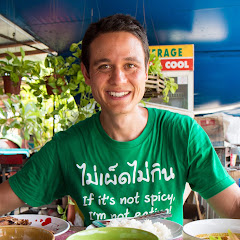
The langar at the Golden Temple is a humbling, spiritual experience of generosity and equality, serving simple yet delicious vegetarian meals to over 100,000 people daily.