Dish
Copate
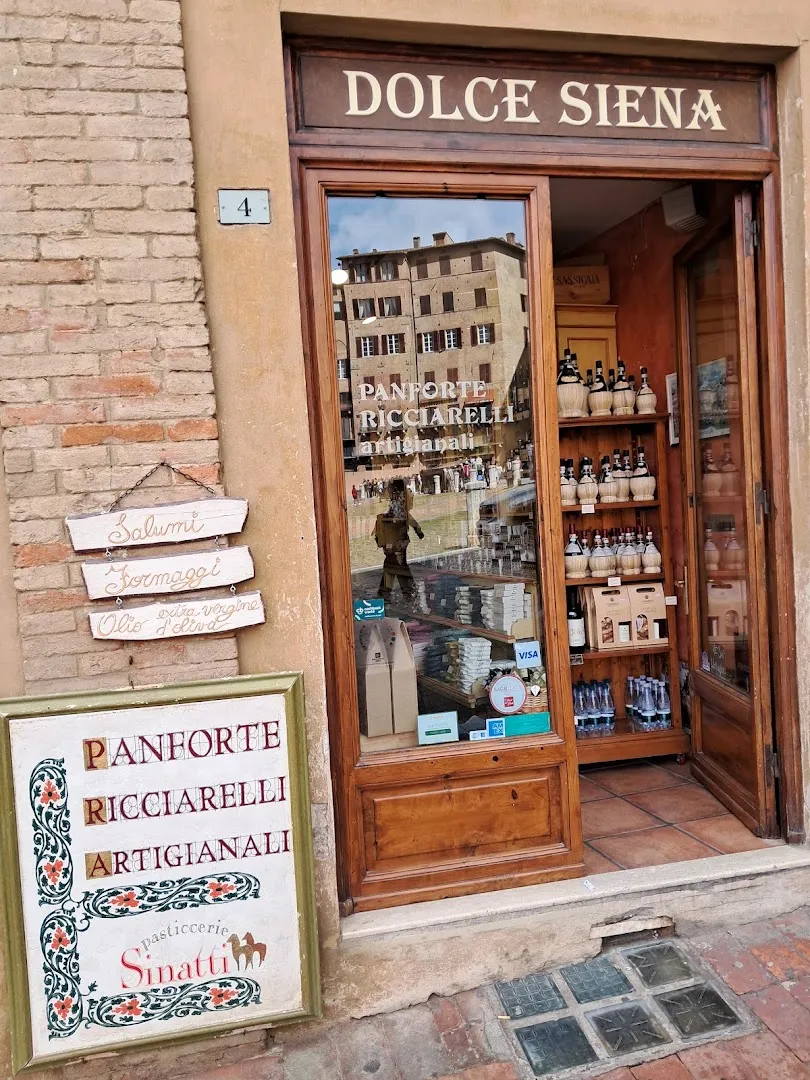
Photo from
Dolce Siena · Siena
The story
Copate are traditional pastries from Siena, Italy, closely associated with the city’s rich medieval confectionery heritage. Their origin likely dates to the 13th and 14th centuries, when Sienese monasteries and convents perfected recipes using local products like honey and almonds—staples of the region’s famed panforte and ricciarelli. Key ingredients include almond flour, honey, candied citron or orange peel, and often a touch of cinnamon or cloves. The dough is shaped into small, flat lozenges, sometimes filled with a thick fruit or nut paste, then baked until firm and occasionally glazed with sugar.
What distinguishes a great version is a delicate balance of sweetness and warm spice, with the almonds providing a tender crumb that is neither dry nor overly dense. The best examples have a thin, slightly crisp exterior giving way to a soft, fragrant interior. The candied citrus should be evenly distributed, offering bright bursts without overwhelming the honey base.
While Copate are a Sienese specialty, similar almond-honey cookies appear across Tuscany and Umbria, but Siena remains the heartland. The creator *Sentieri Golosi* highlights *Dolce Siena* in Siena as a prime source for authentic Copate, noting that the city’s pastry shops—like Dolce Siena—maintain time-honored methods that distinguish these treats from simpler imitations. Regional variations may involve different dried fruits, nuts, or a coating of powdered sugar instead of glaze, but the core identity of Copate remains rooted in Siena’s medieval baking tradition.
Synthesised by AI from every creator’s review.
Where to eat it
1 place reviewed by YouTube creators.
Siena (1)
What creators say
Highlights from 1 creator review of Copate.

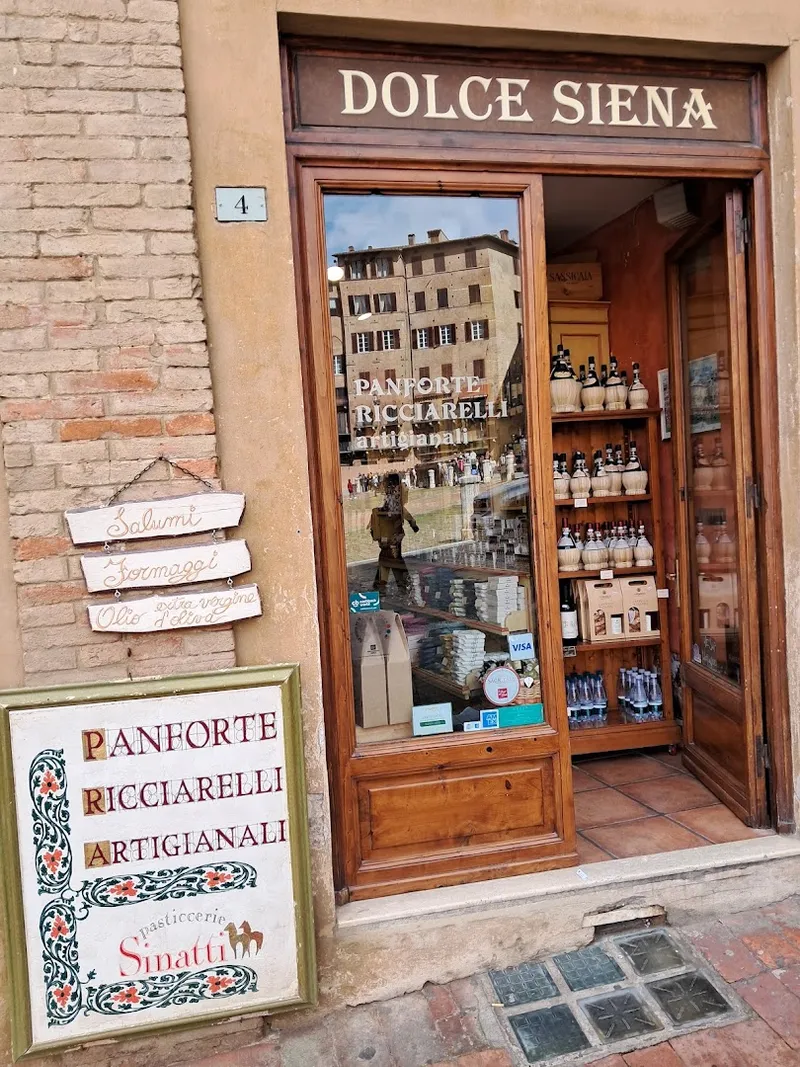
A shop in Siena where I discovered Copate — a soft, hazelnut-filled nougat-like dessert that melts in the mouth and reminds me of childhood.
Dolce Siena · Sienaloved