Dish
Chinese Almond Tea
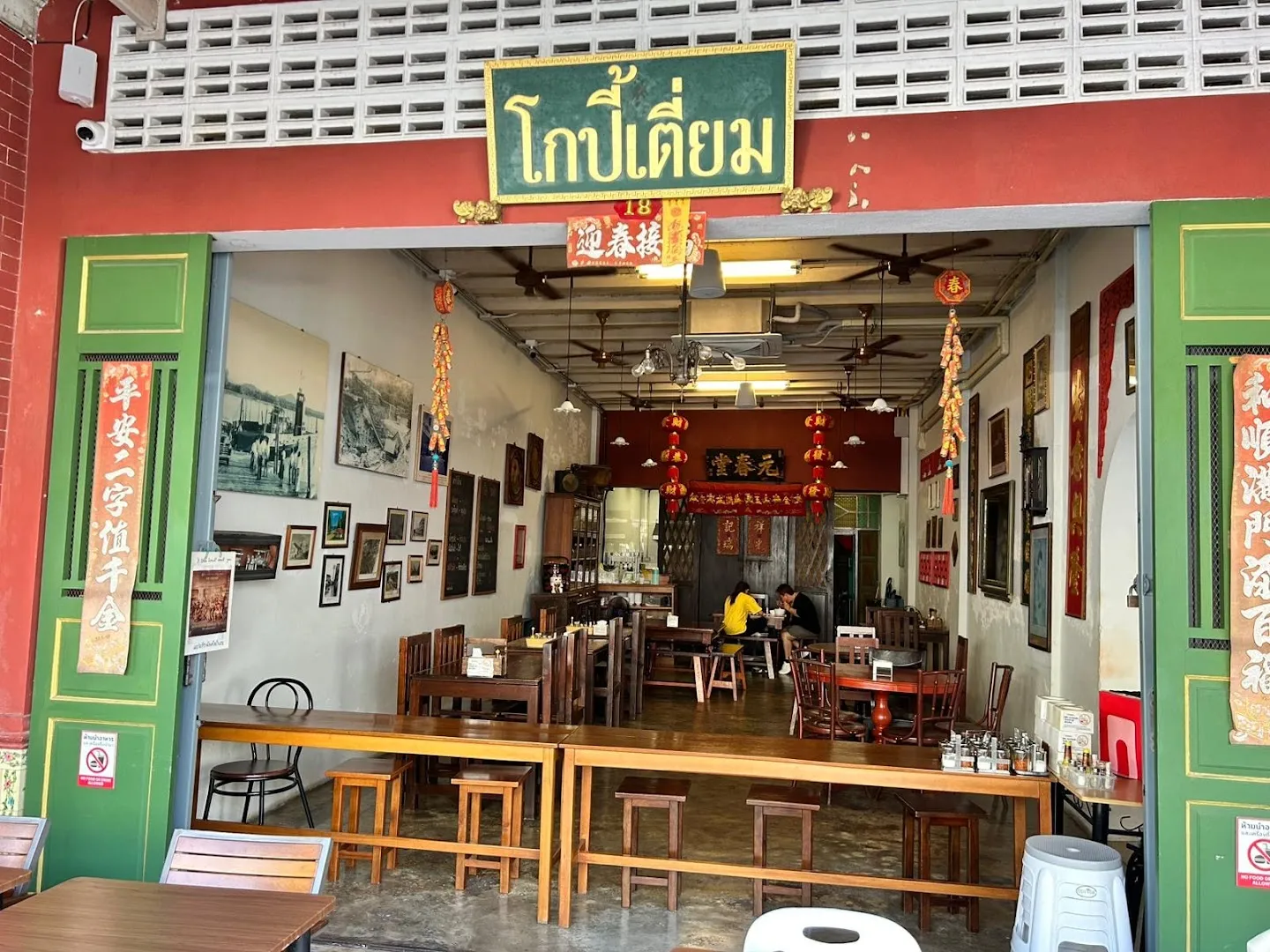
Photo from
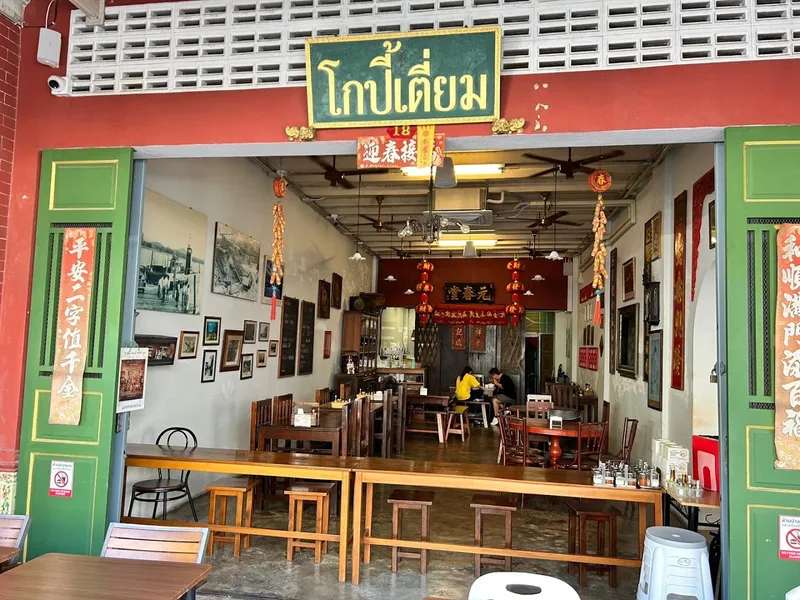
Copitium by Willa · Phuket
The story
Chinese almond tea (杏仁茶, xìngrén chá) is a smooth, subtly sweet beverage that has been a staple of Cantonese dessert culture for centuries. Unlike Western almond milk, which is often made from tree nuts, traditional Chinese almond tea derives its signature flavor and creamy texture from a blend of two ingredients: sweet almonds (Prunus dulcis) and a small quantity of bitter apricot kernels (Prunus armeniaca). The bitter kernels contain trace amounts of amygdalin, which imparts a distinct, marzipan-like aroma that defines the drink. A great version is judged by its silky, almost velvety mouthfeel—achieved through careful soaking, grinding, and straining of the nuts—and a balanced sweetness that never overpowers the delicate nuttiness. The beverage is typically served hot, though chilled versions exist in warmer climates.
Regional variations are subtle but meaningful. In Hong Kong and Guangzhou, the tea is often thickened with a small amount of rice paste, giving it a slightly porridge-like consistency. In Taiwan, it is sometimes paired with taro or served alongside fried dough sticks (youtiao) for breakfast. Travelers to Phuket, Thailand, can find a notable rendition at **Copitium by Willa**, a venue praised by creator **Luke Martin** for its authentic preparation. Martin has highlighted how the shop’s version captures the classic balance of sweet and bitter notes, served in a cozy, old-world setting that mirrors the drink’s nostalgic appeal. Whether enjoyed in a bustling Hong Kong tea house or a quiet Phuket café, Chinese almond tea remains a comforting, aromatic link to culinary tradition.
Synthesised by AI from every creator’s review.
Where to eat it
1 place reviewed by YouTube creators.
What creators say
Highlights from 1 creator review of Chinese Almond Tea.
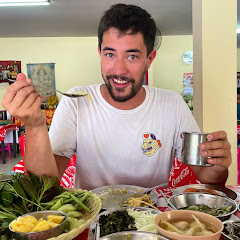
Copitium by Willa is a traditional Chinese coffee shop in Phuket where we tried unique local desserts and drinks, including the famous o el o el and Chinese almond tea.