Dish
Burnt Basque Cheesecake
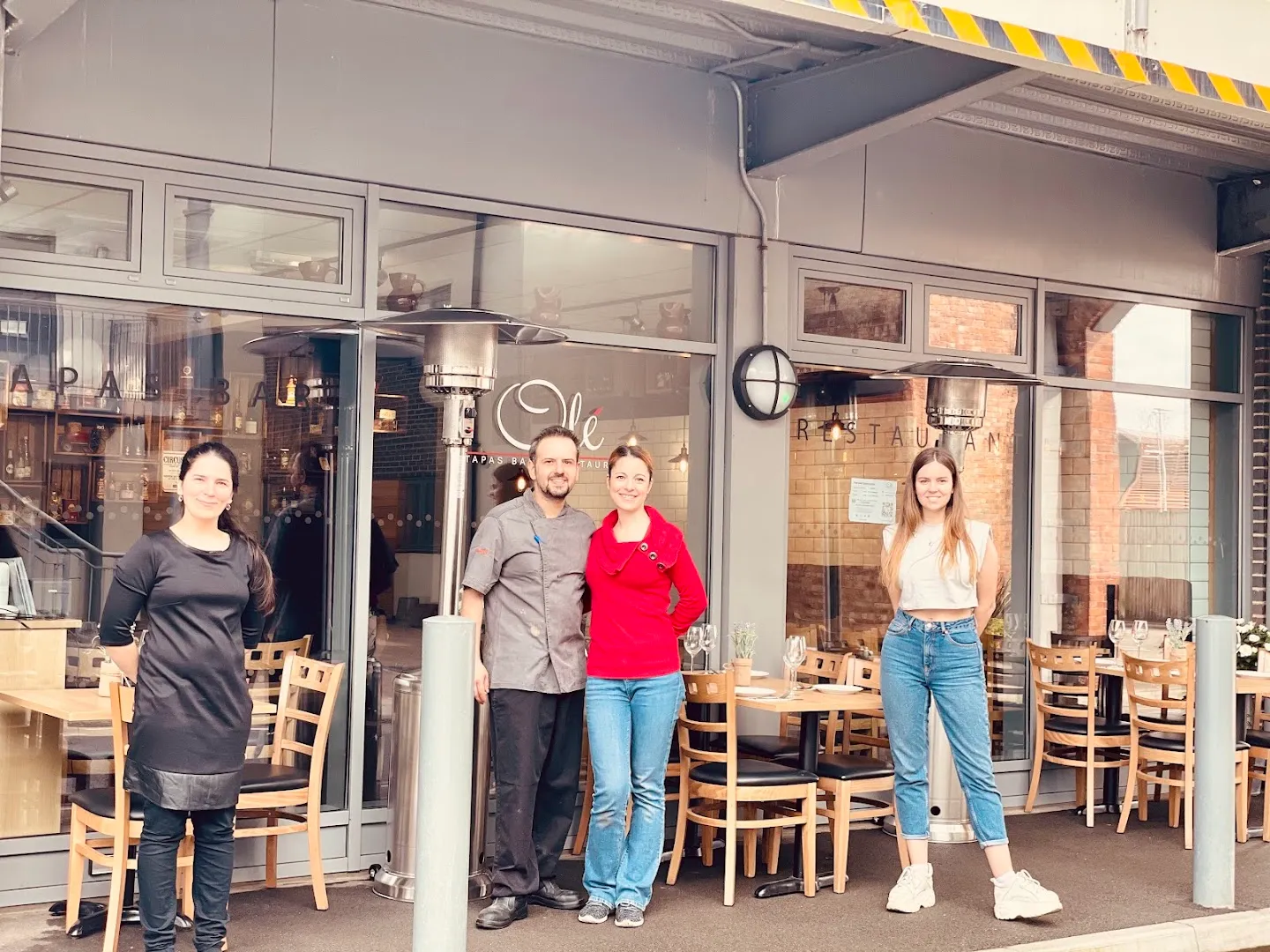
Photo from
Olé · Wolverton
The story
Burnt Basque Cheesecake, also known as *tarta de queso* or burnt cheesecake, originated in the Basque Country of Spain. Chef Santiago Rivera of the La Viña bar in San Sebastián is widely credited with developing this style in the 1990s, aiming for a rustic, deeply caramelized exterior contrasting with a creamy, almost liquid interior. The key ingredients are cream cheese, eggs, sugar, and heavy cream, with a small amount of flour or cornstarch to bind. Unlike traditional American cheesecake, it is baked at a very high temperature (around 200–230 °C) without a water bath, resulting in a dark, even burnt top. A great version is distinguished by its intense, bittersweet caramelization on the surface—nearly black in spots—while the center remains soft, custard-like, and slightly jiggly. The texture should be silky, not dense, and the flavor a balance of tangy cream cheese and sweet, roasted notes. Regional variations include infusing the batter with lemon zest, vanilla bean, or even espresso, and some chefs substitute part of the cream cheese with mascarpone for extra richness. In Wolverton, Regno Unito, the venue Olé offers a notable interpretation of this Basque classic, as highlighted by food reviewer Only Scrans. Variations there may reflect local tastes, but the hallmark burnt crust and creamy heart remain essential. The dish has become a global favorite for its dramatic presentation and unique texture, appearing on menus from fine-dining restaurants to casual bakeries.
Synthesised by AI from every creator’s review.
Where to eat it
1 place reviewed by YouTube creators.
Wolverton (1)
What creators say
Highlights from 1 creator review of Burnt Basque Cheesecake.

A fantastic burnt Basque cheesecake that was pure, creamy cheese heaven without any biscuit base.
Olé · Wolvertonloved