Dish
Apong
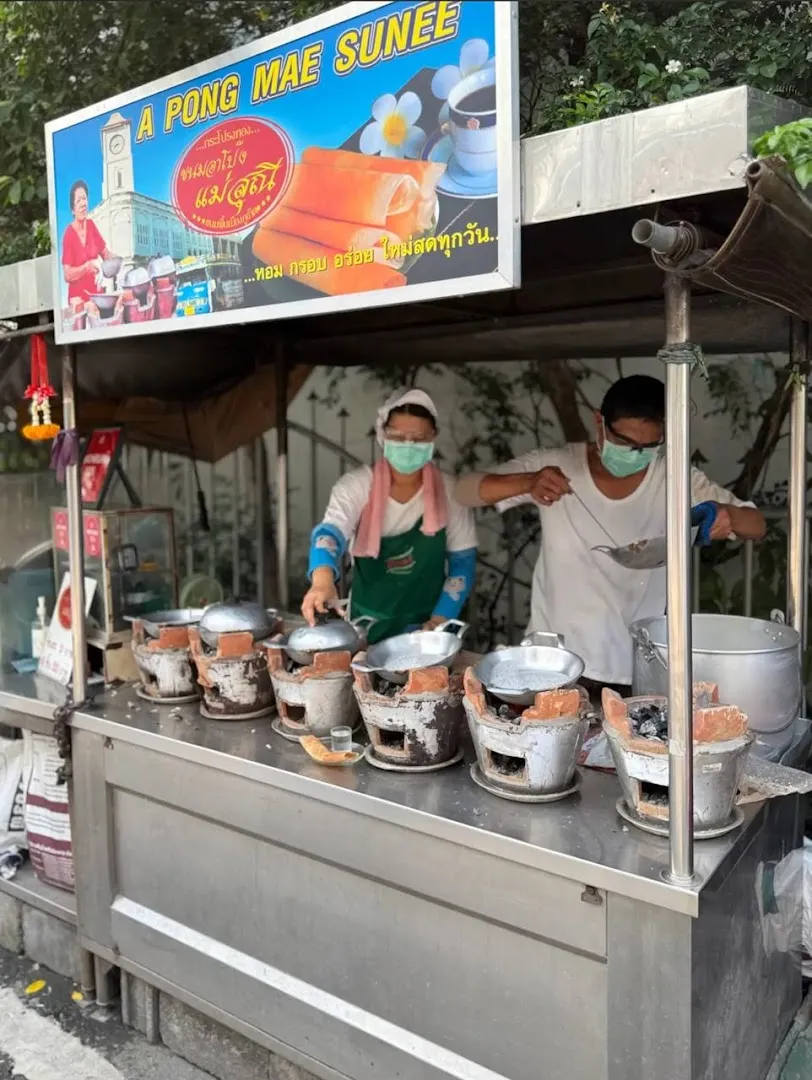
Photo from
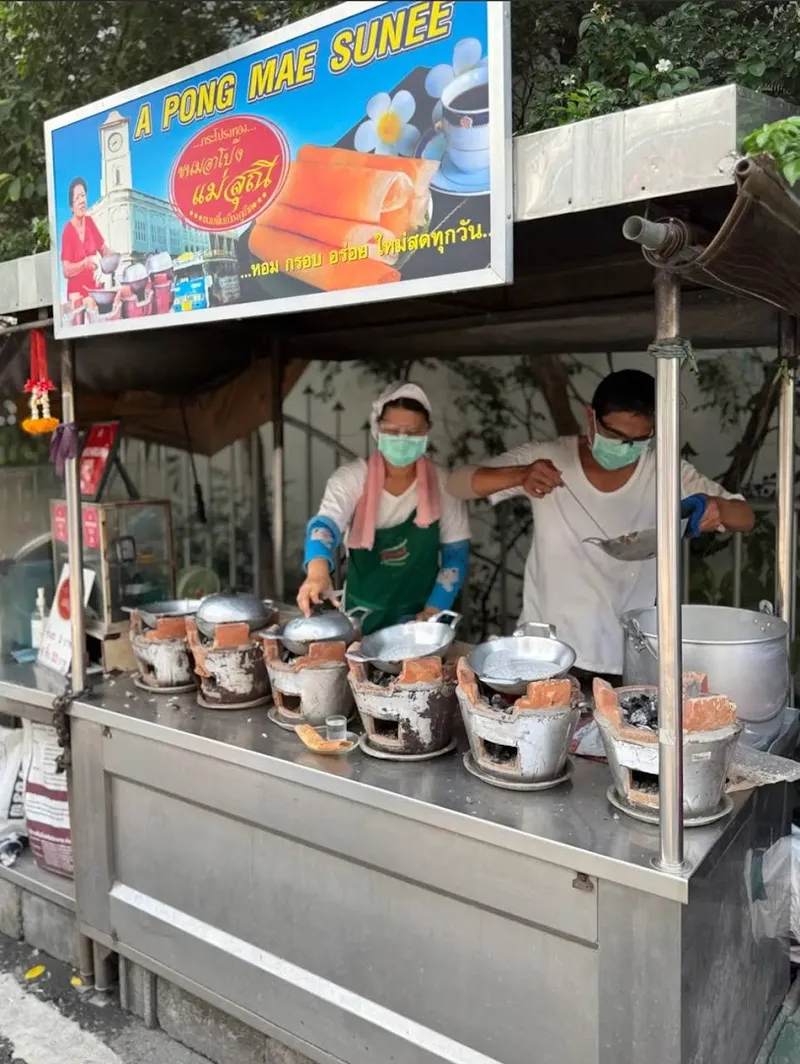
A Pong Mae Sunee · Phuket
The story
Apong is a traditional fermented rice beverage originating from the Assam region of Northeast India, where it is brewed by the indigenous tribes such as the Bodo and Mising. The drink is typically made from cooked glutinous rice, which is inoculated with a starter cake (often called "emao" or "phap") made from wild herbs and rice flour, then left to ferment for several days to develop a mildly alcoholic, slightly sour, and effervescent character. Key ingredients remain simple: rice, water, and the herbal starter, though some variations incorporate millet or other grains.
A great apong is distinguished by its balance—neither too sharp nor overly sweet—and a clean, natural fizz that comes from proper fermentation without forced carbonation. The texture should be lightly cloudy, with a subtle floral aroma from the starter herbs, and the alcohol content generally falls between 3–7%. Regional variations are notable: in Assam, apong is often filtered and served chilled as a refreshing daytime drink, while in Thailand, similar fermented rice beverages are adapted with local ingredients. At Aong Messuni in Thailand, food explorer Luke Martin highlighted how the venue's apong is made using traditional Assamese methods but incorporates Thai jasmine rice and local herbs, resulting in a distinctly aromatic yet mellow version. Elsewhere, some communities add fruits or honey to tweak the sweetness. Despite its roots, apong remains relatively unknown outside Northeast India and parts of Southeast Asia, but increasing attention from food documentarians like Martin is bringing this ancient brew to a broader audience.
Synthesised by AI from every creator’s review.
Where to eat it
1 place reviewed by YouTube creators.
Phuket (1)
What creators say
Highlights from 1 creator review of Apong.
A Pong Mae Sunee is a tiny street-food stall in Phuket run by a husband and wife, famous for their charcoal-grilled apong pancakes, Michelin-recommended and incredibly popular.