Dish
Agnello a Scottadito con Carciofi
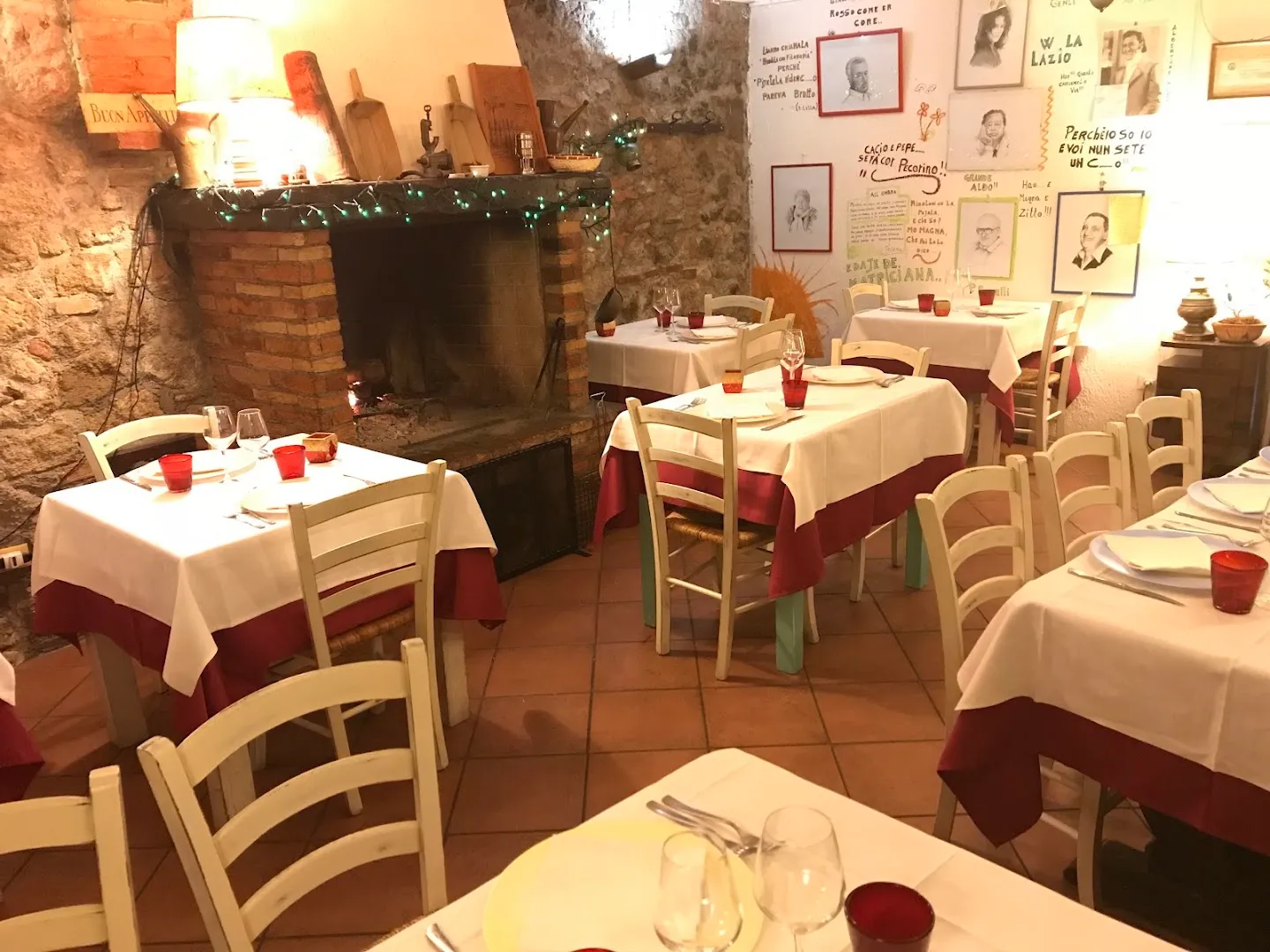
Photo from
Piscio Mato · Roccastrada
The story
Agnello a Scottadito con Carciofi is an Italian dish that pairs lamb scottadito—literally meaning “burn-finger” lamb, a reference to the intensely hot, finger-licking way the chops are served—with artichokes. The scottadito preparation originates in Rome, where small lamb chops (usually from the rack or loin) are grilled or pan-seared over high heat so that the exterior develops a crispy, charred crust while the interior remains pink and tender. The name comes from the diner’s instinct to pick up the hot chop with bare fingers, risking a slight burn. A great version is distinguished by the quality of the lamb—ideally young, milk-fed abbacchio—and a simple seasoning of salt, pepper, and sometimes rosemary or garlic, allowing the meat’s natural flavor to shine. The accompanying artichokes are typically Roman-style (alla Romana), braised with garlic, mint, and olive oil until meltingly soft.
Regional variations exist: in Tuscany, artichokes may be prepared more simply, grilled or fried. The dish can also appear with the artichokes stuffed or as a side, depending on the chef’s interpretation. One notable Tuscan example is found at Piscio Mato in Roccastrada, Italia, where the venue offers Agnello a Scottadito con Carciofi as highlighted by the food guide Sentieri Golosi. This version likely reflects local ingredients and technique, adapting the Roman classic to the Maremma countryside. Across Italy, the core remains the same: lamb chops whose heat invites immediate, hands-on eating, paired with the earthy bitterness of artichokes.
Synthesised by AI from every creator’s review.
Where to eat it
1 place reviewed by YouTube creators.
Roccastrada (1)
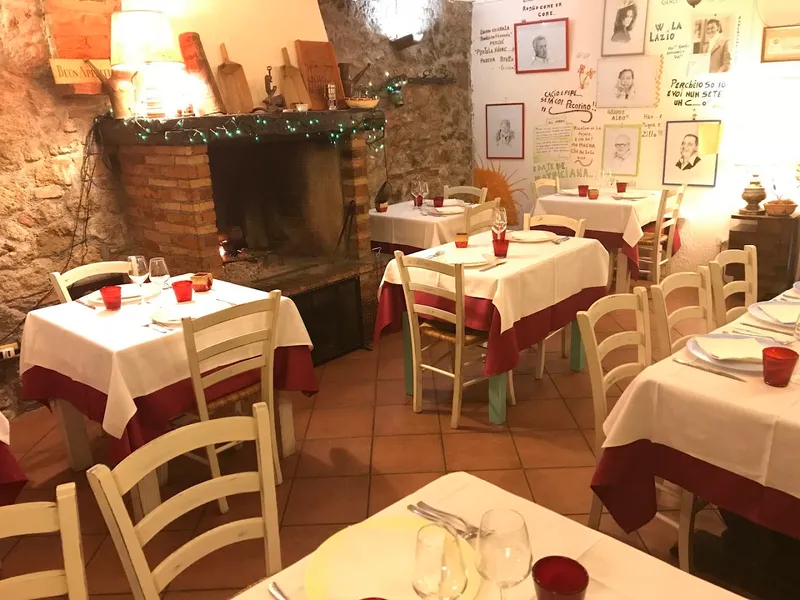
What creators say
Highlights from 1 creator review of Agnello a Scottadito con Carciofi.

A fantastic rustic trattoria in Roccastrada with Roman-influenced owners, serving excellent handmade pici with creative sauces, grilled meats, and unique desserts in a lively, family-friendly atmosphere.